1
Chaucere
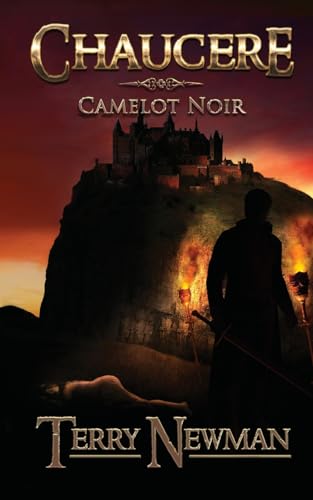
Rain slicks the market stalls as lanterns hiss awake along the quay. A skirmish of whispers threads through the thrum of a city that never loosens its grip on who belongs and who doesn’t. Chaucere threads a careful path between informant and ally, tracing a rumor that an ancient pact still stirs beneath the pavement. The closer she gets to the truth, the more the city recoils—faces vanish, favors disappear, and a familiar voice from her past reappears with a debt she cannot refuse. Every alley becomes a stage, every tabloid headline a lure, and every confession costs someone else a piece of themselves. In a place where legends curl themselves around the corners of reality, she learns that some bargains are not paid with coin but with the part of your soul you’re willing to surrender to keep another woman or man alive.
Camelot Noir sits at a crossroads in Terry Newman’s body of work, balancing a noir sensibility with Arthurian legend-like stakes. The series establishes a dark, metropolitan mood rooted in mythic configurations, drawing readers into a society where old loyalties are paid for in blood and secrets. Critics have noted its crisp dialogue, moral gray areas, and a voice that neither romanticizes nor ritualizes its setting. The first entry, Chaucere, marks a confident debut that expands into a broader investigation of power, identity, and the costs of truth in a city that wears its legends like a rain-soaked trench coat.