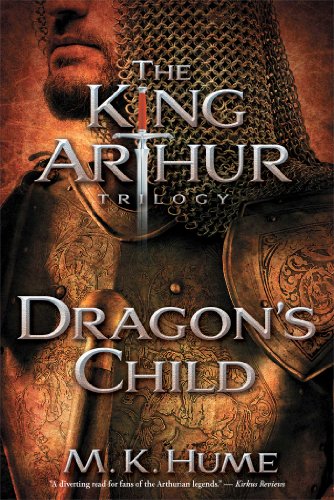
The King Arthur Trilogy
Loading lists...
Summary
A vivid reimagining of the classic legend, the trilogy immerses readers in a world where myth and reality intertwine. Arthur’s journey from a reluctant heir to a legendary king is filled with personal conflicts, political intrigue, and the discovery of inner strength. Touched by both the brutality of war and the tenderness of friendship, his character arc anchors a sweeping tale of honor, betrayal, and redemption. Every character’s choices ripple through the land’s fate, weaving a tapestry of timeless human struggles.
'The King Arthur Trilogy' by M. K. Hume is a distinguished addition to modern Arthurian fantasy. It expands upon the legendary mythos with a narrative that balances traditional chivalric themes with nuanced character development. The series has garnered a reputation for deep historical resonance, blending mythic elements with a gritty realism that appeals broadly to fans of darker fantasy. Critical reception highlights Hume’s skillful worldbuilding and complex protagonist, although some readers find the pacing uneven across volumes. The trilogy isn't as widely discussed outside niche circles but holds a respected place among contemporary reinterpretations of Arthurian legend. Overall, it offers a compelling, mature take on well-known legends, successfully transforming familiar tropes into a fresh and emotionally resonant saga.
