The Camelot Wars
Loading lists...
Summary
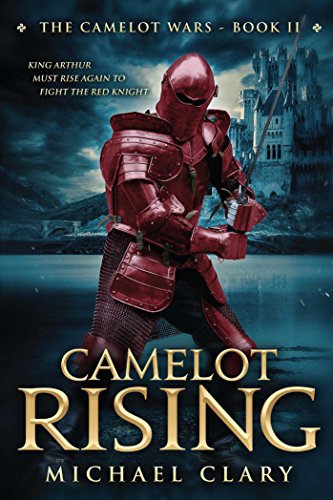
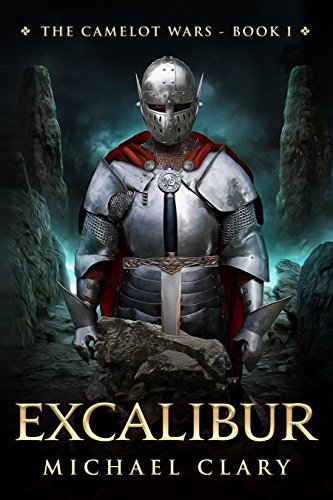
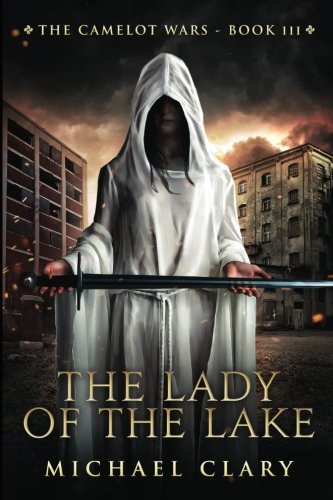
The courtyard spills warmth and danger as towers press against the sky. A messenger’s horse snorts in the dusk while a council of knights debates a move that could burn Camelot to ash and birth a new crown from its ashes. Catherine threads between them, listening not just to words but to the tremor in a hand that betrays more than a concealed weapon. She has learned that courage is a conversation—a double-edged bargain with the past and the future, spoken in glances shared across a firelit hall. Excalibur’s memory pins her to a duty she did not seek, Camelot Rising tests her resolve, and the Lady of the Lake’s echo returns in rain-drenched mirrors, reminding her that what is gained by war must be paid for in quiet promises kept when no one is watching.
The Camelot Wars sits within Michael Clary’s larger Camelot-verse, expanding on legacy and consequence after the upheavals of Excalibur and Camelot Rising. Readers have noted its lush, kinetic storytelling and a willingness to let legend collide with personal choice. Critics have praised the series for its ambitious scope and character-driven momentum, while some found the middle books dense with battles and political maneuvering. Overall, the arc has been celebrated as a bold reimagining of Arthurian mythos, with a knack for intimate moments amid epic stakes.