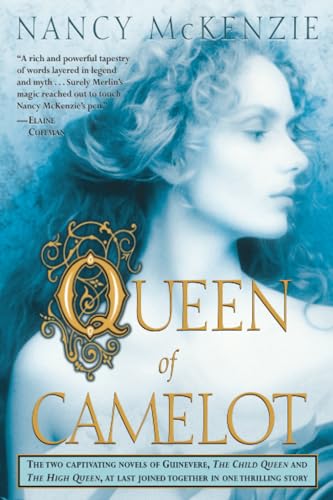
The Tale of Guinevere and King Arthur
Loading lists...
Summary
Guinevere begins as a child queen, narrow in scope but wide in potential, as she navigates a treacherous court, the expectations of lineage, and the pull of a political marriage with Arthur. The tale concentrates on her formation—her alliances, her defiance, and the small, intimate acts that determine whether a queen can govern with compassion amid the gleam of banners and the sharp edge of knives. The book captures the fever and fragrance of a Camelot under construction, where every decision reverberates through the hall and into the lives of those she loves.
The Tale of Guinevere and King Arthur sits within a broader Arthurian tradition that Nancy McKenzie modernizes with intimate, character-driven focus. The Child Queen inaugurates a multigenerational saga that emphasizes personal agency within courtly constraint. Critics often note its lush, lyrical prose and its willingness to foreground Guinevere’s interior life against political currents; reception ranges from high praise for voice and historical nuance to discussions about the pace of romance and political plotting. Overall it’s recognized as a thoughtful, human-sized contribution to Arthurian fiction, appealing to readers who crave emotional texture amid legend.
Main Titles
Additional Titles
All-In-One
2002
Year
3
Publications
Short Fiction

1994
Year
1
Publications