Arthurian Tales

Arthurian FantasyHistorical Fantasy
Cover image for Arthurian Tales series
Arthurian FantasyHistorical Fantasy
Loading lists...

Summary

Within the rugged landscapes of Britannia, Gareth’s journey unfolds amidst the echoes of ancient legends and fractured loyalties. As he navigates treacherous political alliances and confronts formidable enemies, his personal growth becomes entwined with the fate of a kingdom teetering on the brink of chaos. Every decision carries weight, shaping his destiny and the legends he hopes to leave behind. Amidst battles and betrayals, Gareth’s unwavering courage and inner conflicts reveal the true cost of heroism.

'Arthurian Tales' by Giles Kristian stands as a notable addition to modern Arthurian literature, blending historical elements with mythic storytelling. Kristian’s craftsmanship shines through vivid language and authentic atmospheres, earning praise for bringing a fresh perspective to familiar legends. While some readers find the series' darker tone and complex characterizations a departure from traditional tales, it has been well-received for its emotional depth and historical accuracy. The series has contributed to Kristian’s reputation as a skilled author of historical fantasy, although it has not yet garnered major literary awards. Industry reviews highlight its engaging narrative and detailed worldbuilding, making it a compelling read for fans of mythic fantasy and historical fiction.
Main Titles

From the dust of training grounds to the glare of banners, Lancelot’s path unfurls as a lone, dedicated knight-in-waiting. He moves through the rough cadence of battles and grubby inns, where every...
From the dust of training grounds to the glare of banners, Lancelot’s path unfurls as a lone, dedicated knight-in-waiting. He moves through the rough cadence of battles and grubby inns, where every decision bites at him: loyalty to a leader, to a brotherhood, and to a code that may outpace a man’s own mercy. The tale follows a life forged in moments of small mercy and brutal command, where quiet courage becomes the only shield against a world that rewards triumph and forgets the weary. Personal flaws shadow every choice, reminding him that strength without restraint can bleed into tragedy. The ache of belonging threads through his victories, inviting the reader to walk beside him as he discovers what it means to be more than a weapon. As the court’s murmurs rise to a roar, Lancelot learns that honor is not a single path but a choosing of many paths at once. He must weigh the pull of kinship against the lure of status, and the quiet voice of integrity against the noise of power. Each campaign reveals a fragment of a greater story—one where a man’s heart is the fiercest battle he will ever fight. The journey tees up a personal reckoning: what does a knight owe when the line between duty and desire blurs and the cost of mercy may be his own future? The rhythm of loyalty, ambition, and quiet love threads through Lancelot’s early legend, shaping a figure who will become legend not by triumph alone but by choosing what to protect when the world insists on taking everything. This is a tale of stuck weather and stubborn hope, of a sword as much a mirror as a weapon, inviting readers to traverse a road where every step matters more than the last.
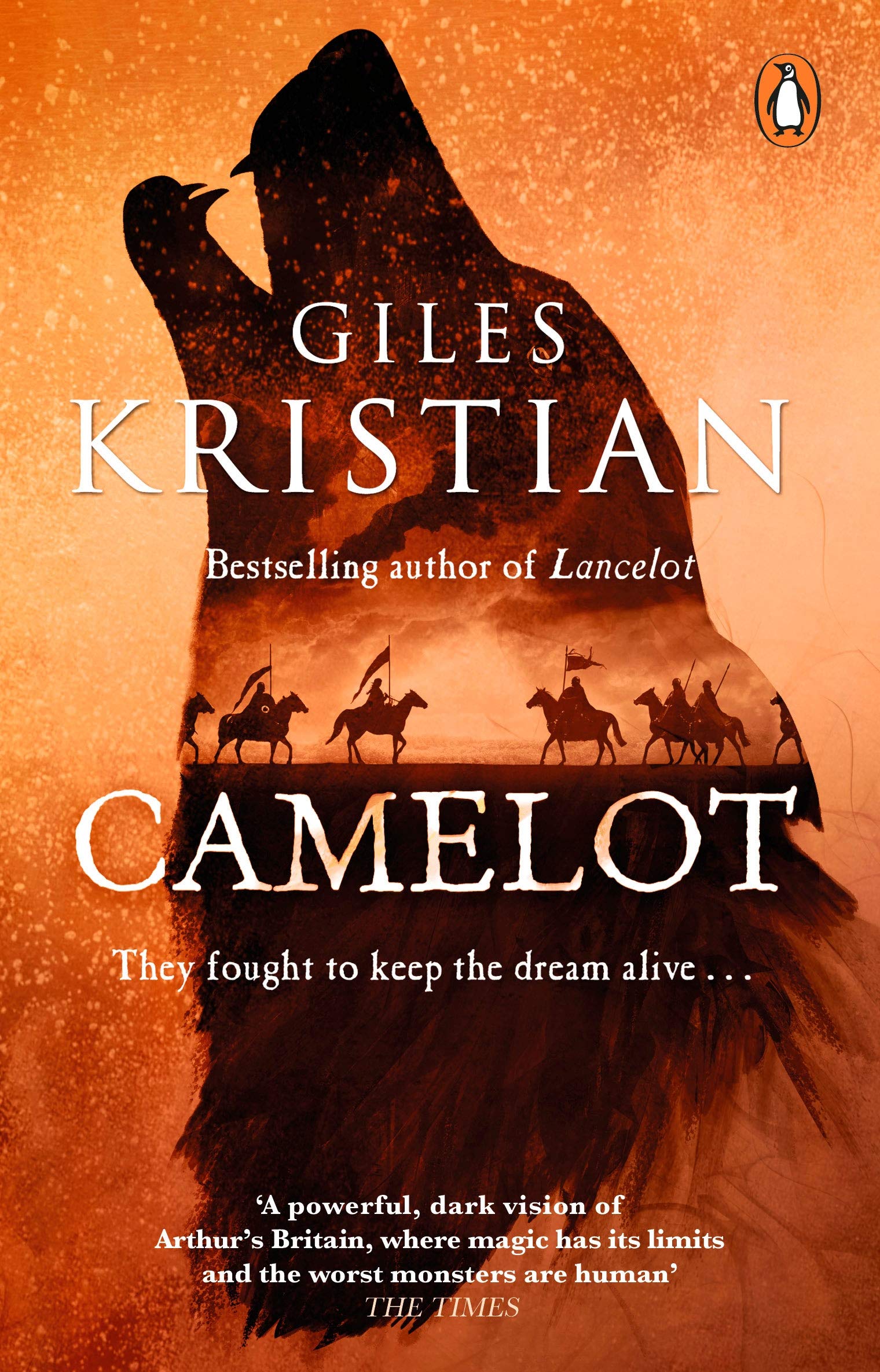
Camelot rises on a tide of hope and peril, a citadel built on shared dreams and fractured promises. At the center stands Arthur’s court, a place where idealism must survive the bite of realpolitik,...
Camelot rises on a tide of hope and peril, a citadel built on shared dreams and fractured promises. At the center stands Arthur’s court, a place where idealism must survive the bite of realpolitik, and where the bravest deed can be undone by a whispered doubt. The narrative threads together those who shape the realm—the steadfast, the jealous, and the prodigies who carry its future on their backs. The personal is never far from the political, as loyalties harden and friendships are tested by the slow ache of suspicion and the temptations that come with power. Here, every decision—great or small—casts a shadow that whispers back from the corridors of Camelot. As the king’s circle grows, so too do the demands on it. The court’s rituals, vows taken on holy days, and the shared hunger for a just order collide with a crueler, more human instinct: the fear of losing what you love. The reader rides the fine line between triumph and cost, watching relationships strain and alliances form under pressure. In this chapter, personal fidelity becomes as critical as strategic genius, and the ultimate question becomes not how to rule, but how to stay true when the crown gleams with irresistible promise. The ascent of Camelot is revealed as a delicate construction of trust, sacrifice, and memory. It invites you to walk its polished floors and muddy byways alike, to feel the weight of name and duty, and to sense the tremor that every choice throws into the realm’s future. It is a story of building a dream, and of what it costs to keep faith with it day after day.
3
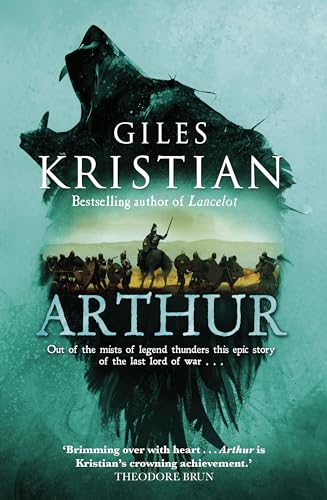
Arthur
The end of a grand dream begins with a single, quiet moment when the old order shifts its weight and refuses to be ignored. Arthur’s world stands at the edge of a precipice, where the line between...
The end of a grand dream begins with a single, quiet moment when the old order shifts its weight and refuses to be ignored. Arthur’s world stands at the edge of a precipice, where the line between legend and legacy blurs and voices hurry to define what comes next. The central figure remains the king, but the heart of the tale beats in those who walk closest to him: companions who have learned to bear the burden of leadership, and rivals who challenge what the crown means when justice seems so far away. This is a story that tests the strength of a man’s promises and the reliability of a realm built on fragile alliances. As the rounds of counsel and campaign echo through halls and fields, the unity of the realm becomes both a strength and a danger. The personal stakes are intimate: loyalty to friends, trust in a king’s vision, and the cost of choosing courage in a world that prizes cunning more than virtue. The narrative threads a map through triumphs and losses, guiding the reader toward the moment when a king must decide what kind of legend his years will leave behind, and which last quiet act will redeem or unravel his line. In this closing arc, the king’s duty meets the limits of mortal power. The tale invites reflection on what it means to rule with mercy, to guard the vulnerable, and to face a future that promises both peril and possibility. It is a somber, luminous finish that binds the saga’s personal journeys into a single, enduring memory of what legends are made of.