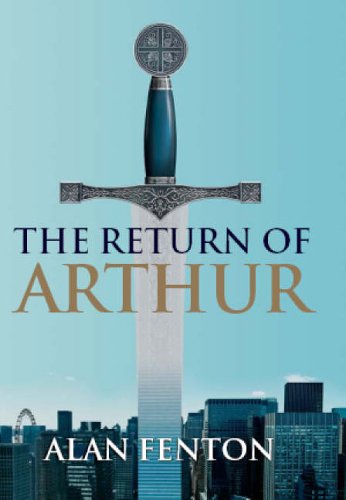
The Return of Arthur
Loading lists...
Summary
Cold rain drums on the market awnings as Arthur weighs a choice with no easy exit. A messenger arrives with a plea wrapped in a severed branch—an emblem of a broken pledge, a reminder of a debt owed to a vanished lord. The hall murmurs with decaying banners; a scribe counts the gaps in the old stories, while a knight’s gauntlet clinks with the memory of a war that never truly left the walls. Arthur must decide whether to press a dangerous alliance, lift a forbidden secret, or walk away and leave a friend to bear consequence alone. In the corridors, a whispered conspiracy threads through the tapestries, and a quiet power stirs in the heart of the city, ready to crown a new order or shatter the old. Through private whispers, crowded streets, and a moonlit ford, the question remains: who will fit the mantle of Arthur when the crown weighs as if forged from doubt and old blood? The answer arrives not with a trumpet blast but with a choice that will redefine loyalties, sever old bonds, and bind a destiny to a single, stubborn truth.
The Return of Arthur sits within Alan Fenton's mythic-tinged oeuvre, offering a muscular, character-forward entry point that leans into legend as lived memory. Readers familiar with the series will recognize the cadence of ceremonial halls, the weight of old oaths, and the quiet erosion of power that comes when kingship is both burden and test. Critical reception notes its brisk pacing, vivid set pieces, and a willingness to let tension simmer in the spaces between battles. Some reviews highlight the book's willingness to braid intimate loyalties with larger-than-life stakes, while others call out a relentless tempo that may skim some psychological nuance in pursuit of momentum.