1
Taliesin
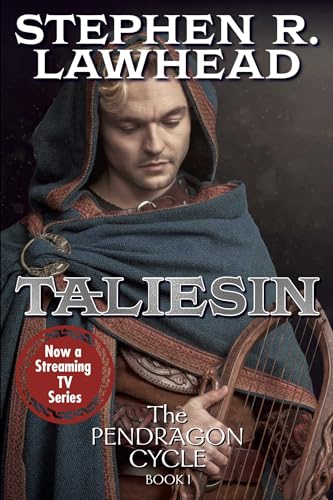
Taliesin’s last breath of hesitation snaps into motion as he faces a choice that could turn the tide of loyalties carved deep in stone and song. A corridor of shadow and flame opens before him, a path threaded by the past and the promises of a future he can scarcely name. The hall’s echo answers with the drumbeat of hooves and the soft weight of a whispered omen; a friend’s hand slips into his, not to steady him, but to say aloud what the heart already knows—that courage isn’t the roar of a sword, but the quiet burden of choosing what to carry forward when the world demands you lay something down. And in that moment, Taliesin begins to sing a new truth, a vow etched in music and in blood, that may yet bind a broken king to a country that needs both the dream and the dawn.
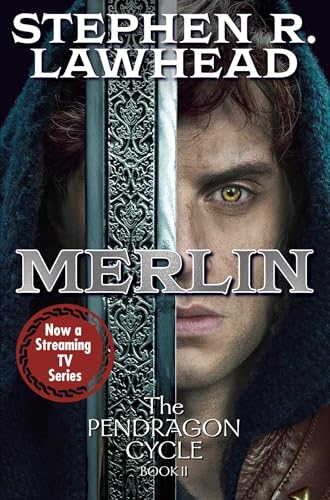
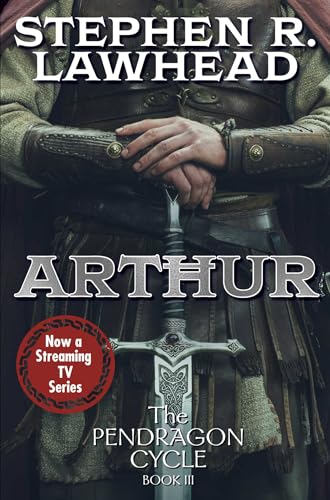
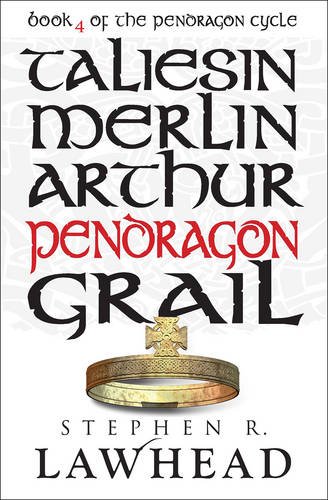
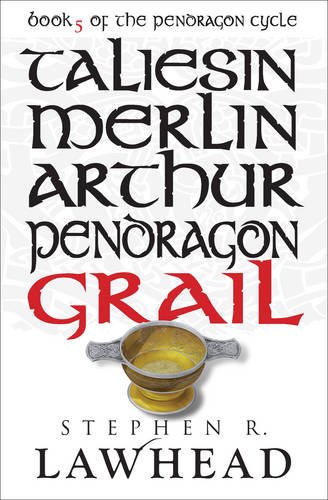
The Pendragon Cycle sits early in Lawhead’s broader exploration of myth and history, weaving Celtic legend with Arthurian material. It’s often praised for its lyrical prose, rigorous historical atmosphere, and its ability to ground myth in tangible human longing. Critics acknowledge its ambitious scope and its skillful reimagining of familiar figures through a Celtic lens, though some note pacing that can be slow as it builds a world steeped in memory and ritual. Overall, the series is regarded as a cornerstone of Lawhead’s mythic-historical approach, earning enduring admiration among fans of literary fantasy.