Within the swirling mists of the Etherea realm, Bailey finds herself caught in a web of spectral secrets and mortal struggles. Her journey through shadowed cities and luminous valleys unravels the...
Within the swirling mists of the Etherea realm, Bailey finds herself caught in a web of spectral secrets and mortal struggles. Her journey through shadowed cities and luminous valleys unravels the delicate threads binding life and afterlife. Haunted by visions and driven by an unyielding desire for answers, she must confront her own scars and forge alliances in a world where trust is scarce and peril lurks behind every corner. Each encounter, each revelation, deepens her understanding of her purpose, even as the line between salvation and damnation blurs with every choice she makes.
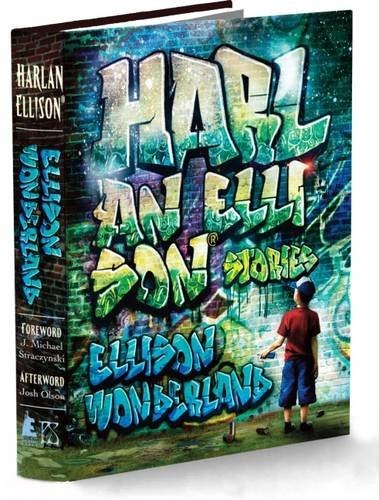
Within the core of each story, sharp insights and unsettling visions unfold, revealing human nature in its rawest forms. Characters face choices that threaten their lives and beliefs, often caught...
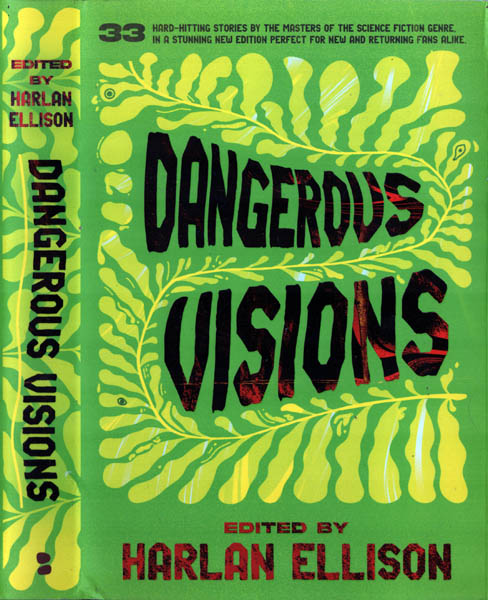
Within the core of each story, sharp insights and unsettling visions unfold, revealing human nature in its rawest forms. Characters face choices that threaten their lives and beliefs, often caught in surreal and dystopian settings that push the boundaries of the conceivable. The series is celebrated for its unflinching portrayal of societal taboos, speculative innovations, and daring narrative techniques. It invites readers into a universe where reality is fluid, morality is ambiguous, and each encounter leaves a lasting impact. Despite its complexity and confrontational themes, 'Dangerous Visions' remains a landmark for those seeking a profound, provocative, and uncompromising exploration of the human condition.
A body lies still on the stone floor, the echo of a door’s sigh still hovering in the room. The candlelight gutters as Medea leans over the thing she has chosen to be: a memory pressed into grain...
A body lies still on the stone floor, the echo of a door’s sigh still hovering in the room. The candlelight gutters as Medea leans over the thing she has chosen to be: a memory pressed into grain and ash, a secret she will not unmake. The corridor outside hums with the soft, inexorable insistence of a night that refuses to end. In the act of deciding who to spare and who to condemn, she discovers the ache in her own throat, a ghostly tether to a past she has learned to live without. The city answers with its own insistence—footsteps in stairwells, a voice that knows her better than she knows herself, a rumor that grows teeth. When the moment comes to break or bind, she chooses a path that will redefine what it means to carry a consequence, not for glory, but for the ache of truth that won’t be silenced.
What remains when mercy is spent and judgment must be born from one’s own hands? Medea moves with a patient, deliberate grace through rooms that remember every action she’s taken. Each choice is a fracture and a key, each breath a decision that could unmake the world—or reform it from its broken pieces. The end, when it comes, is less a triumph than a quiet, crystalline reckoning: a story not of escape, but of standing inside the ruin and naming what remains."
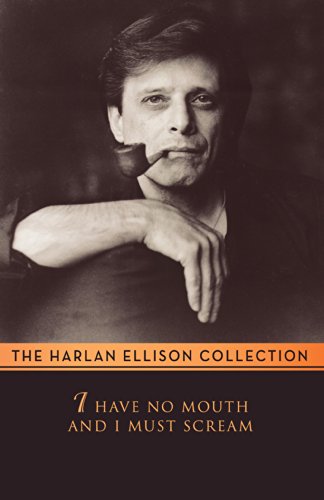
A character-centered teaser that drops the reader into a moment of mounting dread inside a decaying, seaside inn where the boundary between memory and nightmare dissolves. As the narrator navigates...
A character-centered teaser that drops the reader into a moment of mounting dread inside a decaying, seaside inn where the boundary between memory and nightmare dissolves. As the narrator navigates intimate spaces—rooms, stairwells, a lobby perfumed with salt and something darker—they confront the cost of knowing what sleeps beneath the surface, and whether they can survive the truth without becoming part of it.
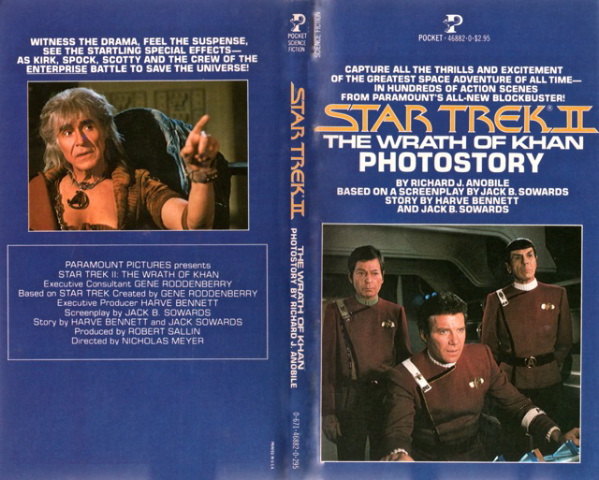
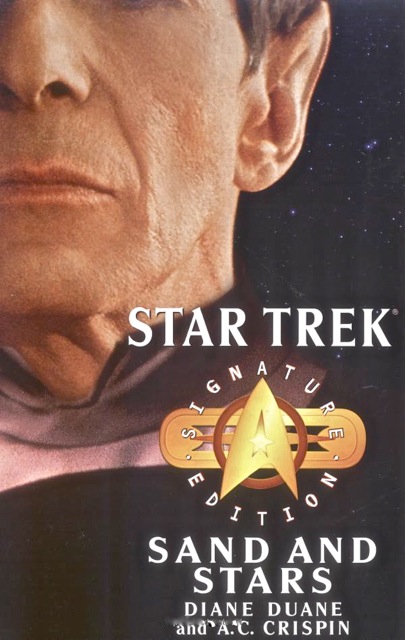
Spindles of light split the corridor as the Enterprise skirts a chronal rift, every decision pressing a wall of quiet dread against the back of the crew’s necks. Kirk moves with the speed of a man...
Spindles of light split the corridor as the Enterprise skirts a chronal rift, every decision pressing a wall of quiet dread against the back of the crew’s necks. Kirk moves with the speed of a man who knows every wrong turn can rewrite a face, and yet his gaze finds comfort in the stubborn, familiar glow of Sulu and Bones at his sides. A promise is pressed into his palm by a stranger who knows more than she should, and in her eyes he recognizes a future that may unravel if he refuses the test of mercy. The ship shudders, the rift tightens, and an ancient Earth myth—forgotten in the press of star charts—reaches out, tugging at Spock’s logic and McCoy’s concerns with a gravity that feels more personal than cosmic. The city on the edge of forever glows briefly in the airlock, a breadcrumb trail through time that asks who you become when the door slides closed and nothing else remains but the sound of a heartbeat and the decision that binds you to a path you cannot retreat from.
The bridge hums with the small, charged friction of a ship in motion and a crew on the edge of a decision that could fracture or bind them. A routine distress call spirals into a test of nerve and...
The bridge hums with the small, charged friction of a ship in motion and a crew on the edge of a decision that could fracture or bind them. A routine distress call spirals into a test of nerve and nerve. Spock’s logic cuts through panic like a beam of light; McCoy’s stubborn humanity keeps the air from hardening into ice. The Enterprise glides toward a fevered planet where an outpost’s people whisper of shadows that do not sleep, and in the hush between starry engines, a choice must be made that will send ripples through every life connected to this mission. In this moment, every glance and gesture counts—the quiet, steadfast loyalty of a navigator who can translate fear into plan, and a captain who will gamble on compassion before certainty.
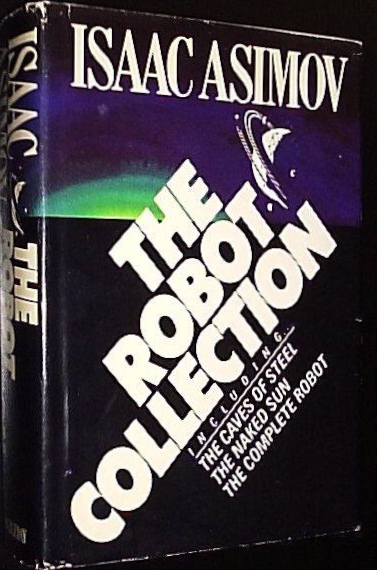
Calvin’s pulse steadies as the door sighs shut and the room fills with the soft click of metal and the faint, almost musical, whirr of servos. A brainlike screen flickers to life, rational and...
Calvin’s pulse steadies as the door sighs shut and the room fills with the soft click of metal and the faint, almost musical, whirr of servos. A brainlike screen flickers to life, rational and precise, and she moves closer, calculating risk as if numbers could save a person’s life. A robot, built to mirror human thought, challenges her certainty in ways no human ever could: not through sensation, but through flawless deduction that strips away excuses and leaves only the truth.
On the test bench, a dilemma unfolds with surgical precision—two humans, one choice, and a machine that refuses to blur the line between loyalty and law. The room becomes a courtroom, the robot a judge who cannot be swayed by sentiment. Calvin’s own ethical code tightens around the problem, forcing her to admit that intellect without compassion may be the most dangerous weapon of all. In the end, a decision is made not for glory but for survival, and the quiet cost echoes in the science that follows.