Within the shadowed halls of a mystical city, Elyra’s journey begins with a whisper of an ancient prophecy that hints at her pivotal role in restoring balance to her fractured land. As her powers awaken, she faces a world filled with treacherous politics, forgotten gods, and spectral enemies lurking in the unseen corners of her realm. Every step draws her closer to the truth of her origins and the truth behind the magic that binds her people. Her courage and cunning become her greatest weapons as she navigates a labyrinth of secrets and betrayals, her resolve tested at every turn. The stakes are nothing less than the survival of her world, and her own soul, as she fights to forge her path amid chaos and magic.
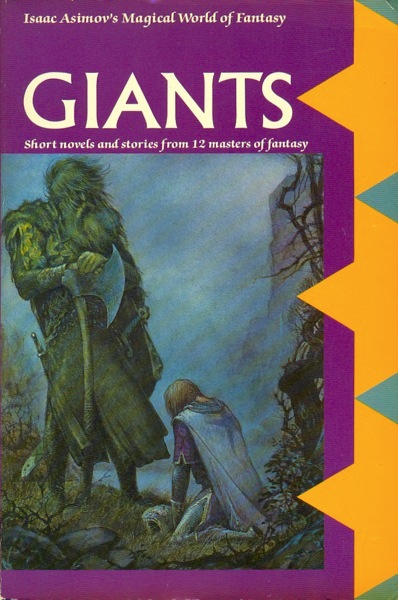
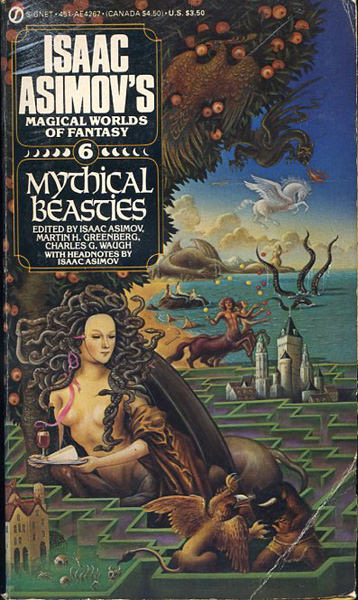
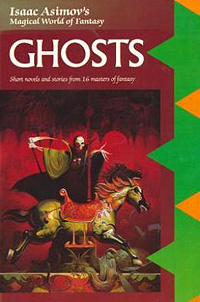
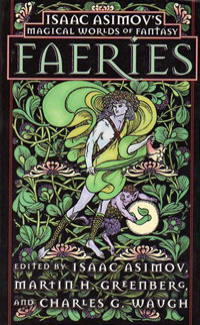
'Isaac Asimov's Magical Worlds of Fantasy' by Charles G. Waugh is a curated anthology that showcases a diverse array of fantasy stories, each rooted deeply in their own mythologies, magical systems, and cultural backgrounds. Waugh's selection emphasizes a broad spectrum of subgenres within fantasy, from high and epic tales to whimsical and dark narratives, reflecting the richness and versatility of the genre. While it doesn't aim for groundbreaking innovation, its strength lies in the quality and variety of stories presented, making it a valuable collection for enthusiasts seeking a comprehensive taste of fantasy's breadth.
The series is generally well-received for its thorough curation and the inclusion of both classic and lesser-known authors, although some critics note that it leans heavily on traditional magic and heroic archetypes rather than pushing the boundaries of the genre. Its place within Waugh's broader work is seen as a testament to his dedication to preserving and celebrating fantasy literature, though it does not overshadow his more influential contributions to science fiction. Overall, it stands as a solid anthology that appeals to dedicated fans and newcomers alike, providing a gateway into the many worlds of fantasy.