1
Dune


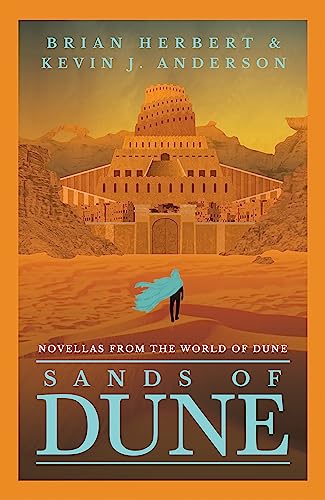
A young noble son steps into a crucible of heat, hazard, and prophecy on a desert planet where the harvest of spice holds the fate of empire. Paul Atreides navigates a treacherous network of loyalties as arid politics scorch the air and personal loyalties burn away. In the grit of stone and wind, he discovers a lineage of power that does not merely command armies but bends time itself. Across shifting dunes, betrayals arrive with sunlit inevitability, and a child’s awakening becomes a weapon, a hope, and a question about who may dictate the future when the present is already torn between iron institutions and a living legend.
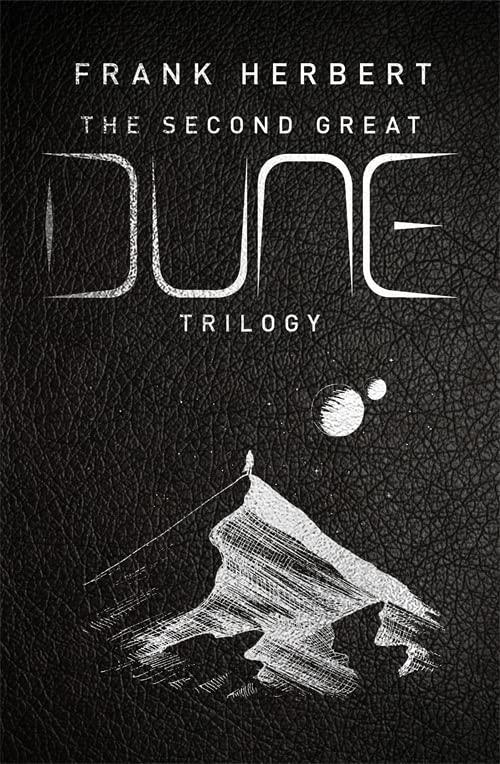
Dune stands as a keystone in Frank Herbert’s broader exploration of power, ecology, religion, and imperial ambition. While it shares the grand, map-spanning ambition of Herbert’s later projects, its most lasting influence is how it condenses planetary ecology and politics into intimate stakes—family duty, fear, and survival—through a single heir’s awakening. Critically, the series is celebrated for its multi-layered worldbuilding and its willingness to embrace complexity over clear answers. It’s earned its place as a touchstone of space-operatic politics, with a reputation for daring ideas and dense, tactile prose. Some readers have found its mosaic of factions and prophecies demanding, but the work’s enduring resonance—its texture, its pulse—continues to invite rereading and recontextualization in new eras of science fiction discourse.