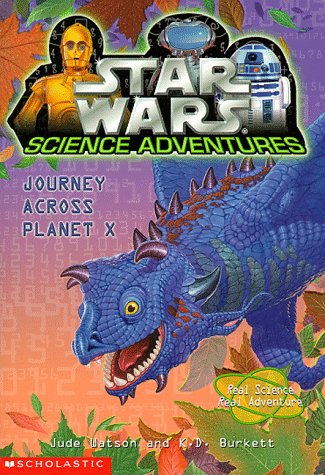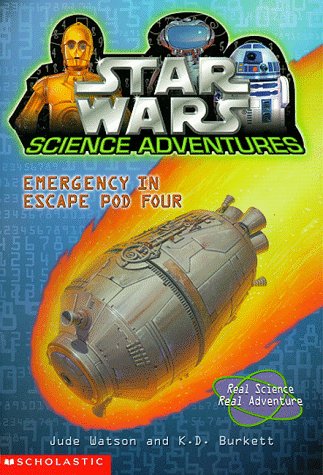
Science Adventures
Loading lists...
Summary
The small crew of Escape Pod Four rides a tremor of space junk and stern orders, the hull sighing with a patient, stubborn metal language. The mission’s urgency pressure-bombs through the cabin air as Lyra notices the ship’s readings skewing toward a pattern only she is sure to decipher. A stray burst of static carries a whisper of Planet X—a rumor of a world that answers with its own light if you ask the right questions. The crew debates the edge of fear and duty; she argues not with loud words but with the careful precision of someone who once traced orbital paths on a chalkboard and learned to trust a stubborn instinct over convenient certainty. They improvise a route, stitch a temporary fix from spare parts, and brace for a follow-on trajectory that could fracture more than their ship. The journey across the sterile corridors becomes a blueprint for trust—between rival ambitions, a mentor’s tempered caution, and a stubborn, undeniable conviction that they are more than the sum of their coordinates. A beacon flickers in the mangled sky, and Lyra steadys her breath, knowing this light could be the difference between a safe reentry and a drift into oblivion. In the silence that follows, the decision crystallizes: keep moving, together, or risk a fracture that would outlast them all.
The Science Adventures series, through its brisk teen-centric missions across space, sits at the intersection of kid-friendly adventure and cerebral puzzle-solving. While the earlier installments lean into fast-paced escapades, the author’s work consistently foregrounds character-driven choices against a backdrop of high-stakes discovery. It’s a testament to how Jude Watson threads teamwork and resilience through tight, action-forward plots, earning steady recognition for accessible science-grounded storytelling in a crowded market.