The Great Cosmic Journey

Science Fiction
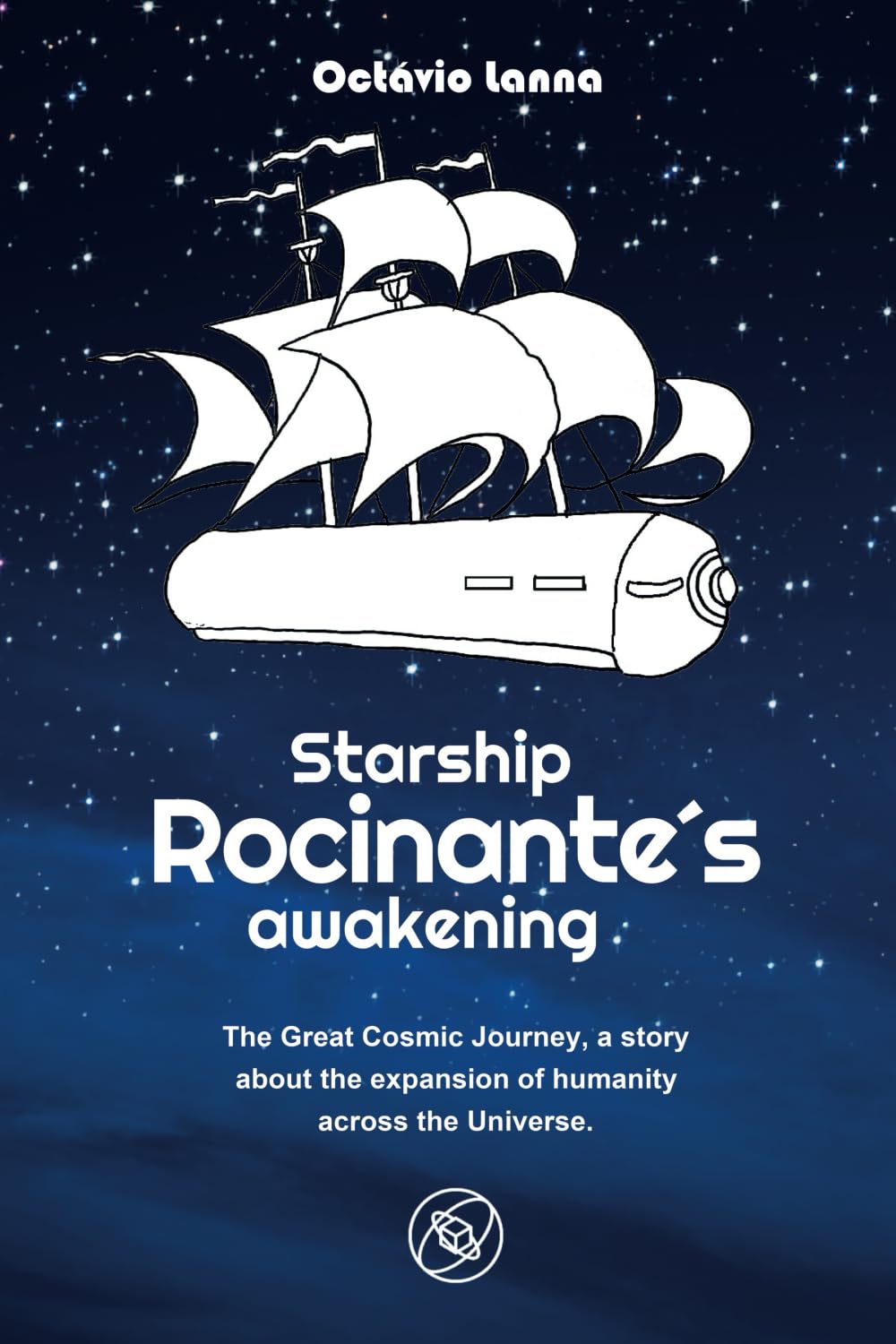
Cover image for The Great Cosmic Journey series
Science Fiction

Summary

The morning shift breaks on the Rocinante with a cratered comet trail skimming past the hull. Lys Marek stands at the console as the ship shifts its weight, a living thing listening for motives in the void. A routine salvage turns tense when a damaged beacon unfurls a voice from a forgotten colony, a name spoken with awe and fear. The crew’s patience frays as secrets surface—who sabotaged the beacon, who lied about the beacon’s message, and who among them is willing to risk everything for a chance at a new home. With gravity as a constant threat and the ship’s silence louder than any alarm, Lys must decide whether to press toward salvage and risk a broader war, or cut away and risk losing the last embers of a dream that might still survive in the cold. Between the pull of a distant star and the gravity of old loyalties, the journey becomes less about destinations than about who they become when the universe refuses to answer their call.

The Great Cosmic Journey marks a bold entry in Octávio Lanna’s oeuvre, signaling a shift toward character-centric space operas that emphasize crew dynamics and intimate stakes amid vast horizons. Critics have highlighted the series’ kinetic plotting and its insistence on moral ambiguity, with some praising the emotional clarity of its ensemble cast while others caution that the dense lore can overwhelm slower readers. Overall, it’s been received as a promising start that rewards patience with personal resonance and page-turning momentum.

Main Titles

The Rocinante drifts from starlit silence, its hull humming with a memory only a ship can keep. Captain Elara Myles wakes first to the soft alarms and the ghostly echo of a wake of passengers she...
The Rocinante drifts from starlit silence, its hull humming with a memory only a ship can keep. Captain Elara Myles wakes first to the soft alarms and the ghostly echo of a wake of passengers she barely remembers. The ship’s core thrums back to life, revealing a mission long buried beneath the debris of a collapsed alliance. Elara feels the weight of command settle in her chest as she threads through memory-locked corridors where crew names flicker like constellations. Her first choice isn’t about speed or firepower; it’s about trust, and whether the Rocinante can carry a fleet’s old promises into a new dawn. The crew follows her lead with wary steps. Navigator Ryn and medic Juno bring steadiness, while a stowaway fragment of AI—curious, optimistic, and morally ambiguous—tests the line between ally and adversary. Together they chart a course toward a beacon that shouldn’t exist: a distant civilization that survived more legends than maps. Elara learns what it means to pilot a ship that refuses to forget, and in doing so discovers how far loyalty can bend before it breaks. As the beacon pulses, the personal and planetary histories fuse into a single choice that could fracture every alliance they hold dear. An ancient treaty, a hidden betrayal, and a chance to redefine what a voyage means for those who dare to wake a sleeping starship. Elara’s resolve hardens; the Rocinante becomes more than a vehicle—it becomes a vessel for a new future, or a monument to what was lost when silence finally spoke.