
Fairy Door Diaries

Juvenile Fantasy
No Cover Available
Juvenile Fantasy

Summary

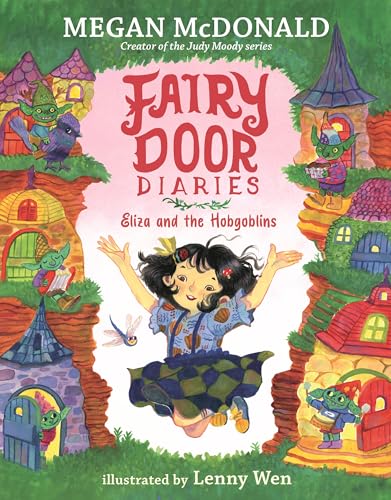
Eliza follows a doorway through a hedge that glimmers with unseen creatures and whispers of rain-soft magic. On the other side, the Flower Fairies tend to blossoms that glow like midnight lanterns and the Hobgoblins skitter in the shadow, bargaining with the bright, fragile things that bloom under a moon no one seems to name. As she threads between petal alarms and whispered bargains, Eliza learns to read the diary she carries—its pages turning with every choice she makes, every promise she keeps, every kindness she offers. The fairies trust her with a hinge of luck, the hobgoblins test her with a riddle, and a secret path through the garden asks her to decide who she will become when the doorway chooses her as its guardian. The hedge, once a boundary, becomes a record of her beginnings—one girl, two doorways, and a world that grows brighter the braver she becomes.

Megan McDonald’s Fairy Door Diaries sits apart from her more widely known contemporary works, offering a quieter, intimate portal into a world where small choices ripple outward. The series signals a gentler, child-centered fantasy voice that complements her sharp humor with patient wonder. Critics have noted its tactile prose and steady pacing as strengths, appealing to readers who relish character-centered enchantment over sprawling battle epics. It’s cherished for its approachable sweetness and its ability to turn a single doorway into a universe worth exploring.
Main Titles

Eliza stumbles into a shimmering doorway the moment she feels most unseen, and finds a garden of petals that murmur secrets only she can hear. The world she knew softens as the Flower Fairies begin...
Eliza stumbles into a shimmering doorway the moment she feels most unseen, and finds a garden of petals that murmur secrets only she can hear. The world she knew softens as the Flower Fairies begin to teach her the language of blooms, wind, and light. In small moments, she learns to listen to others who seem invisible—neighbors, siblings, even a shy classmate—through the quiet logic of nature. Each page-turn reveals a new riddle of the garden: why petals vanish at dusk, how to unstick a stuck wish, what it means to care for a seed that won’t sprout. The bond with the fairies grows, and with it Eliza’s sense of belonging expands beyond the doorway’s glow. She learns that courage isn’t loud; it’s choosing to tend something fragile until it thrives. When a sudden frost threatens the door’s blossoms, Eliza must decide what she will defend: a secret sanctuary or the ordinary life waiting outside. Trust, patience, and a clever twist of botanical wisdom unlock a path she can walk without fear. The journey balances wonder with responsibility, inviting Eliza to become a caretaker of miracles rather than merely an admirer. The garden’s mysteries deepen, and with them a promise that magic can be gentle, personal, and always within reach for those who listen. In the end, Eliza carries the garden’s whisper into every ordinary moment, discovering that guardianship is a steady rhythm—small acts of care that keep blue skies open and doors inviting.
Eliza returns to the doorway, the glow of the garden a familiar heartbeat behind ordinary days. The world that opened when the first door appeared now hums with the season’s changes, and Eliza...
Eliza returns to the doorway, the glow of the garden a familiar heartbeat behind ordinary days. The world that opened when the first door appeared now hums with the season’s changes, and Eliza finds herself sharing whispers with new sprites who guard the hedges and staircases of her town. The fairies teach a sharper lesson about balance: how to protect what you love while letting others find their own path. Schoolyard pressures, rivalries, and a new friendship tempt Eliza away from her senses of wonder, yet the doorway keeps calling her back, echoing with the memory of the first blossoms she tended. A creeping tension rises as strange noises and nighttime footprints hint at unseen mischief nearby. Eliza must stitch together clues from the fairies’ stories, her own memories, and the quiet honesty she’s learned to trust. Each clue tightens the weave of her courage, showing that courage is not absence of fear but the willingness to face it with a plan. The stakes feel closer now, but so does the answer—if she can map the townspeople’s hidden fears to the garden’s living prose, there’s a chance to outsmart the lurking trouble without losing the magic she cherishes. By the end, Eliza’s confidence blooms in tandem with the garden’s growth, and she discovers that friendship, patience, and a steady heart can turn shadowed corners into gateways of light.