The Kithamar Trilogy
Loading lists...
Summary
In a city where guilds choke the streets with favors and knives, Kyra, a keen observer of people and systems, navigates a web of loyalties, debts, and hidden histories. When a seemingly minor betrayal exposes a deeper conspiracy, she must decide what she’s willing to risk to protect those she loves and to uncover what the city itself is willing to sacrifice for control.
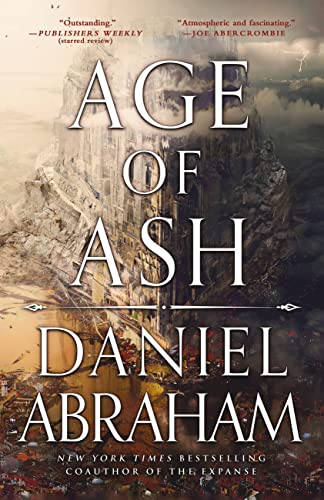
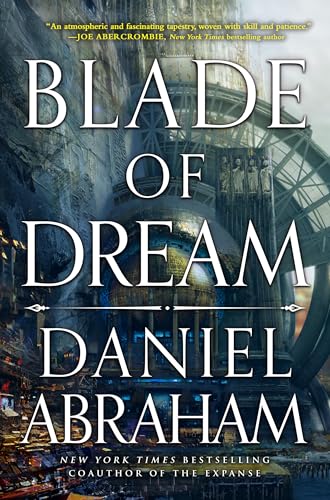
The Kithamar Trilogy sits at the intersection of intimate city-shadow intrigue and widescreen epic. Abraham’s world-building threads through tight, character-driven POVs that braid the politics of a bustling, dangerous city with the personal costs of power. Critics have highlighted its deft handling of class, culture, and the moral ambiguities of legacy, noting how the series rewards patient, attentive reading even as it rewards quick, visceral scenes of danger and betrayal. The first book, Age of Ash, established the pace and texture that fans have come to expect: a rich tapestry where street life, guilds, and ancient secrets collide in crisp, personal moments. Blade of Dream expanded that scope, leaning into consequences and a broader cast while preserving the intimate voices that anchor the story. Overall reception has been positive, with praise for atmosphere and character complexity, alongside occasional notes that the lore demands careful attention. The trilogy remains a touchstone for fans of urban fantasy with a political edge.
Main Titles
Additional Titles
Short Fiction

2021
Year
2
Publications