Circle of Light

Cover image for Circle of Light series

Summary

Greyfax Grimwald fights to keep a fractured circle from tearing itself apart as a long-hidden covenant forces the court to choose between trust and survival. The corridors of Greywatch house whispers and watching eyes, where a single misstep could unbind a legacy and expose a danger older than the stones themselves. In the glow of lanterns, Greyfax weighs loyalty against truth, messaging with a secret in her pocket that could topple the Circle or save it—if she dares to release it.

Circle of Light sits within Hancock’s broader oeuvre of character-driven epics that blend mythic menace with intimate moral choices. The Greyfax Grimwald books are often praised for their propulsive prose and brisk worldbuilding, earning steady acclaim among fantasy readers who favor scope over whimsy. Critics note the series’ strong voice and commitment to lived texture over grand exposition, with some attention to pacing and darker turns.
Main Titles

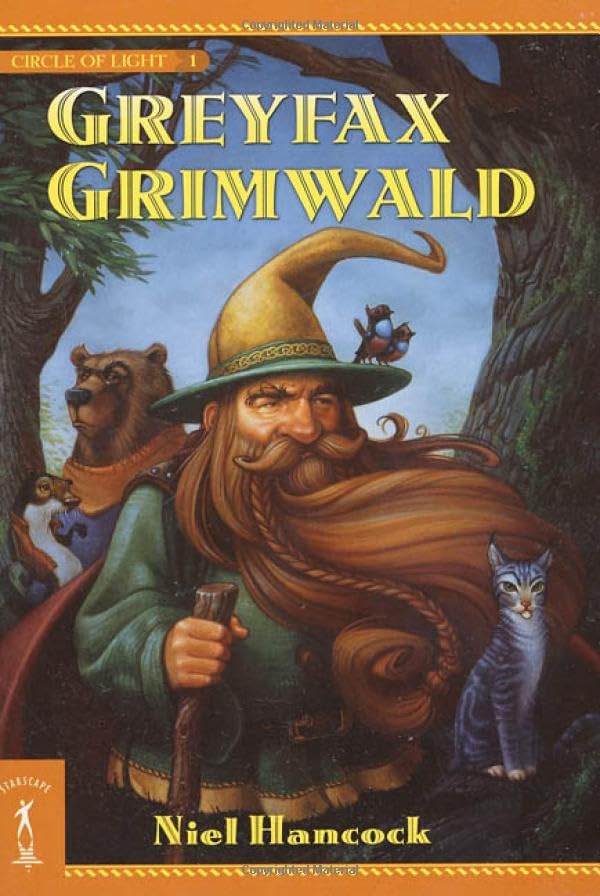
Greyfax Grimwald follows the dawn of a fragile alliance as a city’s uneasy peace teeters on the edge of a waking nightmare. A young, stubborn investigator named Greyfax—gifted with unusual sight...
Greyfax Grimwald follows the dawn of a fragile alliance as a city’s uneasy peace teeters on the edge of a waking nightmare. A young, stubborn investigator named Greyfax—gifted with unusual sight and haunted by a past mistake—is thrust into a web of conspiracies that drench the streets in rumor and half-truths. Each clue pulls him toward a relic of power rumored to bend light itself, a relic that could rewrite fate for every citizen of the realm. He learns to balance suspicion with trust, forging uneasy partnerships with scholars, street urchins, and a wary mage who knows the city’s oldest secrets. As danger closes in, Greyfax must decide what he will sacrifice to keep the fragile veil between order and chaos intact, and what lies beyond if he fails. The case grows personal as Greyfax discovers a pattern linking recent disappearances to his own family’s history, forcing him to confront the shadows within his lineage. The city’s power brokers spin their own angles, turning every ally into a potential betrayer. Meanwhile, a hidden faction eyes Greyfax’s ability as a tool to be wielded rather than a burden to endure, pushing him to question whether the truth can survive in a world built on plausible lies. The clock ticks as a ritual approaches, promising either a rebalanced light or a collapse into nocturnal ruin. Ultimately, Greyfax grapples with the cost of truth and the weight of responsibility. He learns that seeing clearly can be a perilous gift when the world’s true enemies wear borrowed faces and whisper sweet plans of protection. The book closes on a brittle victory that promises further tests, and with it a sense that the Circle of Light has only just begun to reveal its more dangerous truths.
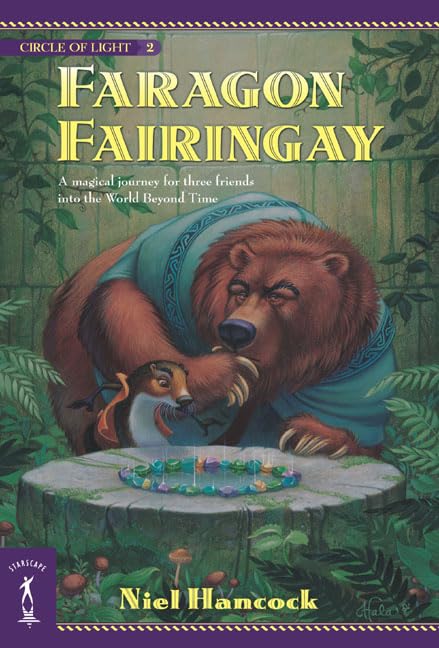
Faragon Fairingay continues the saga with a soldier-turned-seeker who carries a map carved from memory and a diary stained with old battles. In a city where every doorway may hide a conspiracy and...
Faragon Fairingay continues the saga with a soldier-turned-seeker who carries a map carved from memory and a diary stained with old battles. In a city where every doorway may hide a conspiracy and every alliance could be forged in earnest or broken on a blade, Faragon must navigate shifting loyalties amid a rising tide of arcane storms. The journey intensifies as he joins forces with a rogue scholar and a stubborn healer whose talents might save lives or condemn them to the same fate as those around them. The threat is not only external but intimate: a circling doubt about what it means to be loyal when the ground beneath you keeps changing. The centerpiece is a waking mechanism buried beneath the city—an ancient engine thought to control weather, light, and the very rhythm of life. Its activation would reshape society, but at what cost? Faragon’s decisions ripple outward, affecting a chosen circle of friends who must decide what they’re willing to give to protect their future. The lines between protector and betrayer blur as old prophecies surface, hinting that the West Gate’s doom could be averted only by embracing a hazard they barely understand. By the end, Faragon earns a form of hard-won peace, yet the book makes clear that the peace is provisional, and the true test lies in the choices made when the engine hums to life and the circle finally closes around them.
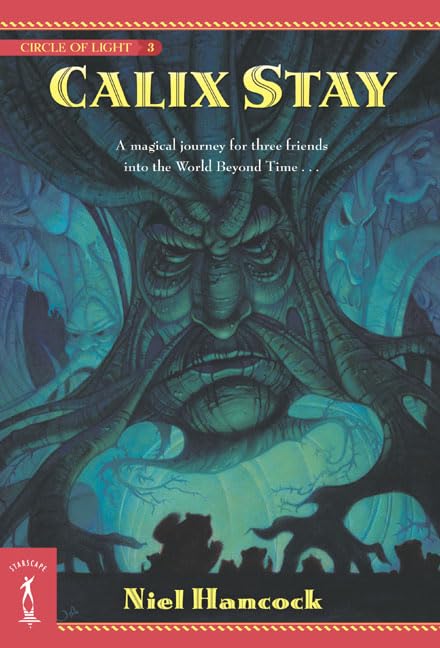
Calix Stay narrows the focus to a gatekeeper who seems ordinary until a tremor of change shatters his routine. Calix’s role is to monitor a threshold where light and shadow meet, a boundary that...
Calix Stay narrows the focus to a gatekeeper who seems ordinary until a tremor of change shatters his routine. Calix’s role is to monitor a threshold where light and shadow meet, a boundary that sees far more of the world than most can bear. When a missing caravan wagon arrives without its driver, leaving behind whispers and salt-stained maps, Calix becomes entangled with a troupe of wanderers who carry stories as heavy as their packs. Each member hides a reason to travel, and each reason tests Calix’s stubborn sense of duty as secrets bubble up from his own past, threatening to redefine what he believes about power, responsibility, and family. As a creeping menace unfurls through the city’s forgotten streets, Calix discovers that boundaries are not merely lines but living, breathing things that can be bent, broken, or become a shelter against worse dangers. He confronts a choice between protecting a fragile community and pursuing a truth that could unravel the world’s delicate balance. The journey pushes him to accept that even light has thresholds and sometimes the bravest act is to step back and let others lead. With a quiet, steady courage, Calix learns that staying can be the most radical decision of all, and the circle of light glows brighter only when its members choose to walk forward together.
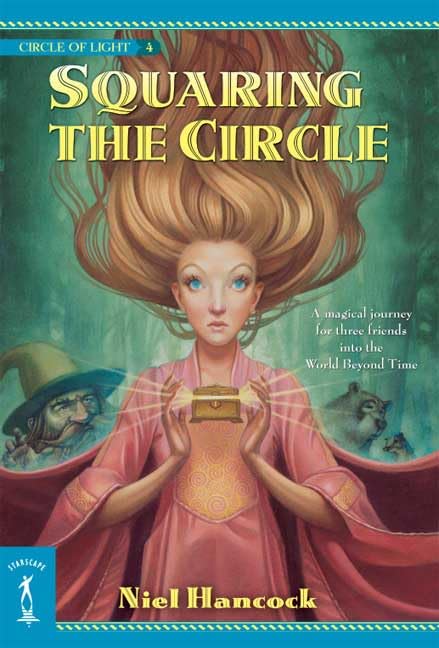
Squaring the Circle centers on a problem that refuses to stay neatly contained: a riddle encoded in geometry and magic that could collapse the very fabric of reality if misread. The protagonist—a...
Squaring the Circle centers on a problem that refuses to stay neatly contained: a riddle encoded in geometry and magic that could collapse the very fabric of reality if misread. The protagonist—a young mage-scholar who sees patterns where others see only chaos—must translate an ancient circle into a map for the future. The work pulls her into a corridor of power where rival factions jockey for position, each presenting a different path to solve the circle’s paradox. With every step, she pieces together fragments of a history that explains why light and night are not opposites but two halves of a single truth. Her allies are as diverse as the risks they face: a wary cartographer who trusts maps more than people, a veteran guardian who has learned to measure courage in scars, and a healer whose quiet faith binds the group when fear frays the lines of loyalty. Trust is earned in snippets of conversation and quiet sacrifices, and every decision reverberates through the circle’s circumference, forcing them to confront what they’re willing to lose to restore balance. When the final formula Arrives at the edge of possibility, the true measure of a circle isn’t its completeness but the strength of those who choose to complete it together. The ending promises not a victory parade but a fragile vow: to guard the light, even as shadows refuse to vanish.