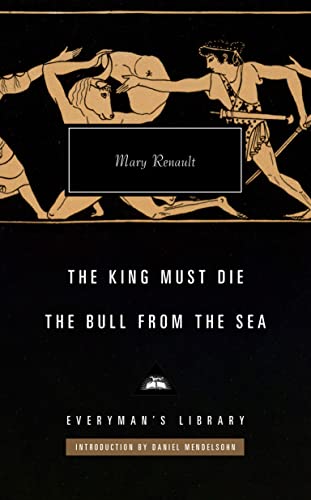
Theseus

Loading lists...
Summary
In the shadowed corridors of ancient Athens, a young man rises in defiance of the gods and the realm of men. Theseus, born of noble blood but shaped by the hardships of his youth, finds his destiny entwined with legendary creatures, divine schemes, and mortal passions. With each challenge, he begins to unravel the mysteries of his lineage and the true meaning of heroism. Venturing into perilous labyrinths and confronting the shadows of his own fears, Theseus’s journey is not just a quest for glory but a profound voyage into the heart of moral choice. His courage transforms fears into resolve, forging a legend that echoes through generations, grounded in the very human qualities of doubt, love, and the relentless pursuit of truth.
'Theseus' stands as a remarkable retelling of classical myth within a nuanced and deeply human perspective, blending historical authenticity with philosophical exploration. Renowned for its vivid characterizations and lyrical prose, the series is considered a seminal work in adaptations of Greek mythology, often praised for its scholarly accuracy and poetic elegance. While some critics note that the series assumes a considerable background knowledge of Greek myth, its literary merit and insightful portrayals have garnered a loyal readership and academic interest. Its depiction of heroism, fate, and moral complexity goes beyond mere myth retelling to engage with timeless questions about identity and virtue. The work remains influential in both academic circles and popular culture, inspiring numerous adaptations and discussions. Overall, 'Theseus' is seen as a masterful blend of myth and philosophical reflection, securing its place as a significant contribution to the fantasy literature landscape and cementing Mary Renault’s reputation as a scholar and storyteller of enduring quality.
Main Titles
Additional Titles
All-In-One
1992
Year
2
Publications