Prison Earth

Black AuthorScience Fiction
Cover image for Prison Earth series
Black AuthorScience Fiction

Summary

Kira Voss threads between the maintenance corridors and the cell blocks of a penal colony orbiting a dead world, uncovering a conspiracy that ties the Underminers’ first raid to a larger, colder plan. As loyalties fracture and old debts surface, she must decide what she’s willing to lose—people, memory, even the truth itself—to keep those she loves alive.

The Prison Earth series marks Thompson’s pivot into claustrophobic social dystopias where institutions crush individual agency. While The Underminers introduced a scrappy, insurgent point of view, Cellblock Earth widens the stakes to a hardened, systemic survival drama. Critics have praised the brisk plotting and bleak atmosphere, with some noting moments of sharp wit amid the grit; others call the middle portion uneven as the book navigates expanding cast and shifting loyalties.

Main Titles

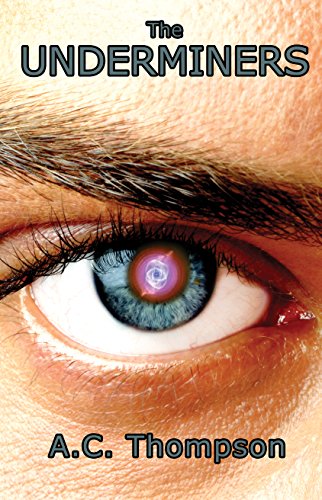
The Underminers follows a reluctant scavenger named Lira who wakes to a fractured city where the surface is a fading memory and the underworld hums with a stubborn, stubborn life. In a world where...
The Underminers follows a reluctant scavenger named Lira who wakes to a fractured city where the surface is a fading memory and the underworld hums with a stubborn, stubborn life. In a world where the sky is a rumor and the ground is noisy with tunnels and gears, Lira discovers a map etched on a child’s salvaged toy—a guide to the hidden corridors that breathe with old, long-forgotten machinery. She teams with a wary cartographer and a former guard who swears by the old codes, and together they begin to trace a network of cages, vents, and chokepoints that feed the city’s pulse. The pursuit is intimate and perilous, crafted from small kindnesses, a skipped heartbeat when danger nears, and the stubborn hope that something strong can be salvaged from rust and memory. As the trio uncovers the underground economy that keeps the city alive, they realize their discoveries threaten more than a few powerful interests; they could topple the fragile balance that preserves their way of life. The Underminers is a study in what people will endure to secure a future for themselves and those they love, even when every step farther down hollows out another truth they’ve learned to live with. Lira’s growing courage and the group’s fragile trust become a lifeline as looming threats shift from shadows to voices demanding obedience, forcing them to decide how much they’re willing to risk to save the only home they still recognize. The plot tightens around personal history and chosen family, weaving Lira’s past into the tunnels she now traverses. Each discovery—of a forgotten relay, a sealed archive, a heartbeat heard through the piping—pulls her closer to the core question: what kind of future is worth building from the wreckage? With danger closing in and loyalties tested, the story promises a careful, human victory that feels earned, not granted, and leaves the city with a renewed sense of purpose born from grit, ingenuity, and the stubborn, enduring power of hope.
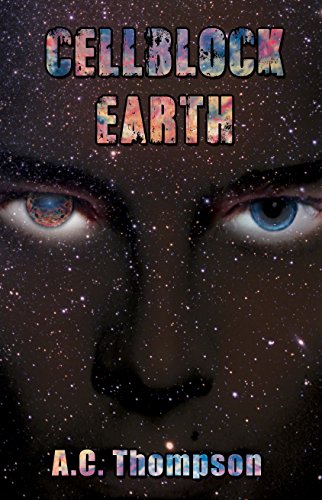
Cellblock Earth centers on Lira, now a seasoned survivor who has learned to read the city’s moods as if they were weather. The surface remains a myth, but the undercity grows sentient in its own...
Cellblock Earth centers on Lira, now a seasoned survivor who has learned to read the city’s moods as if they were weather. The surface remains a myth, but the undercity grows sentient in its own stubborn way, and Lira's crew finds themselves drafted into a mission that feels both intimate and enormous: to unlock a sequence of holds and doors that might finally reveal a way to connect different districts without drawing the city’s ire. They navigate claustrophobic corridors, echoing halls, and a protocol that demands silence in the name of safety, learning to trust what they can hear as much as what they can see. The stakes stay personal—protecting a found family and preserving a future they can stand in—while the broader implications of their actions begin to surface with quiet, relentless force. Tension rises as the city’s guardians tighten their grip, and the crew must decide when to bend rules and when to break them to protect the lives tethered to their choices. The atmosphere remains tense but intimate, focusing on the human responses to danger: clipped conversations, small acts of mercy, a decision made in the space between fear and resolve. As secrets hidden within the walls start to echo back, the narrative threads knot together, revealing that the true prison might be fear itself—and the way it keeps people from seeing the possibilities that lie beyond a single, bleak horizon. The ending promises a resolution both earned and hopeful, one that reframes what it means to belong in a city that cannot afford to forget.