The Heart of Darkness

Urban Fantasy
Cover image for The Heart of Darkness series
Urban Fantasy
Loading lists...

Summary

The Heart of Darkness unfolds through Evelyn Crane, a tenacious investigator whose past shadows every decision. As the city’s whispers coalesce into a perilous thread—leading her from the letter tucked in a rain-soaked mailbox to a confrontation with a killer who writes his victims into the night—she must decide how much of herself she’s willing to expose. The investigation tightens around a web of lies, loyalties, and a vanished ally whose absence speaks louder than any clue. In a world where truth wears a mask and danger lurks behind polite smiles, Evelyn’s resolve is tested by a choice that could unmake the life she’s attempted to salvage.

Katherine Ramsland’s The Heart of Darkness series positions itself as a forensic-fevered thriller with a literary bite. The elongated arc through The Ripper Letter and Track the Ripper showcases Ramsland’s knack for blending meticulous psychological depth with a chilling, urban atmosphere. Critics have noted a tight, procedural energy paired with gothic undercurrents, drawing comparisons to classic detective fiction while pushing into morally gray territory. The books garner a dedicated following among readers who relish character-driven suspense and intricate plots that refuse easy answers. Overall reception has been mixed-to-positive, praised for atmosphere and meticulous research, with some commentary on the darker, uncompromising tone and a pace that rarely lets up. The series is often cited as a strong anchor in Ramsland’s broader exploration of crime, psychology, and the shadows that linger in city streets. For readers seeking a contemporary, psychologically intense mystery with a historical edge, this franchise remains a compelling waypoint in her oeuvre.
Main Titles

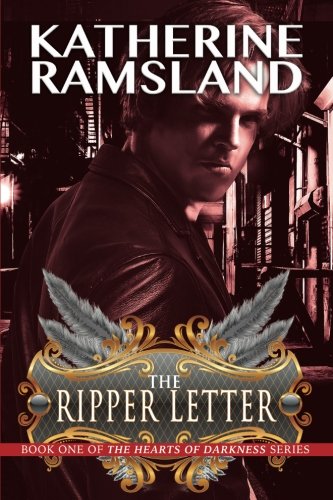
A cryptic correspondence unfurls from the shadows of London’s backstreets, guiding a wary investigator toward a chilling convergence of art, obsession, and murder. The Ripper Letter centers on a...
A cryptic correspondence unfurls from the shadows of London’s backstreets, guiding a wary investigator toward a chilling convergence of art, obsession, and murder. The Ripper Letter centers on a stubborn protagonist who trusts clues more than conclusions, piecing together a pattern hidden in handwriting, historical whispers, and the city’s pulse. Each decrypts a motive, each folder a door into a secret history that refuses to stay buried. As the lines between legend and truth blur, the reader follows steady steps through fog, footprints, and a fragile trust that the living can outpace the past. The protagonist’s private stakes grow with every discovered letter, for the hunt pulls in a circle of allies and adversaries who know more than they admit. Personal memories become as treacherous as red herrings, turning old loyalties into questions and new friendships into liabilities. The city itself becomes a character—moody, indifferent, and inexorably revealing what people will sacrifice to finish a story they cannot abandon. Clues tighten the orbit around a central enigma, and the chase becomes a contagious fixation. With each revelation, danger tightens its grip, but so does a stubborn resolve to see justice, or at least closure, through. The resolution promises both a reckoning and a reminder: some histories insist on speaking through the living, shaping futures even as they demand remembrance.
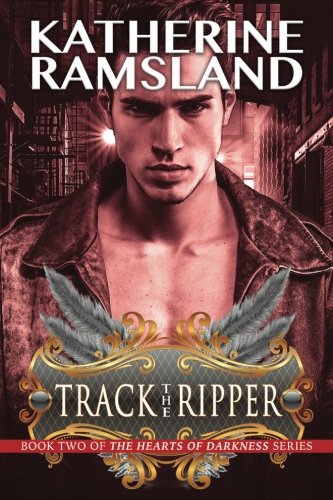
Continuing from the threads of the earlier inquiry, Track the Ripper follows the same resolute investigator as new testimonies surface and old rivalries reemerge. The trail leads through archives,...
Continuing from the threads of the earlier inquiry, Track the Ripper follows the same resolute investigator as new testimonies surface and old rivalries reemerge. The trail leads through archives, crime scenes, and crowded streets where every whispered rumor could reshape a case. The protagonist trusts no single source, instead weaving together disparate accounts to test what feels true. The pursuit becomes a disciplined ritual—observe, compare, corroborate—until the narrative threads braid into a coherent map of motive, opportunity, and fear. As the stakes rise, personal history collides with the professional mission. The investigator must confront a legacy of loss that echoes through suspects and witnesses alike, turning empathy into a tactical tool. Relationships are tested, and choices born of loyalty clash with the demands of the search. The city’s hidden networks thrum with consequence, reminding the protagonist that every step forward also excludes something precious from the future. The climax tightens into a reveal that reshapes the entire investigation: a truth that reframes who could be trusted and why. Yet even as the puzzle seems to resolve, the weight of what remains—what was sacrificed, what could still be saved—lingers, promising both resolution and the possibility of further journeys into the heart of a dark, enduring mystery.