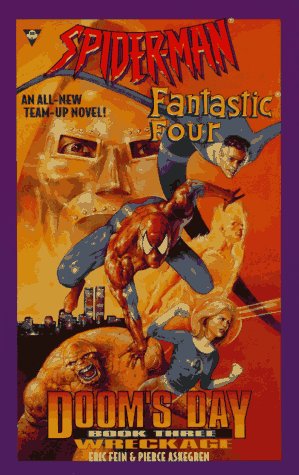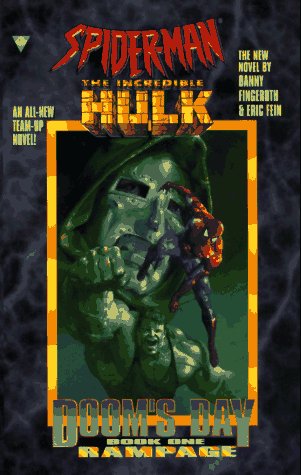
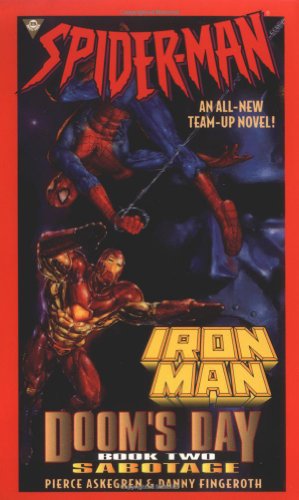
Doom's Day
Loading lists...
Summary
Peter Parker is pulled into a cascading crisis that links remnants of a shattered alliance with a rival faction poised to weaponize a city-wide blackout. A night of impossible choices unfolds across rooftops, alleys, and crowded transit hubs as alliances fracture, loyalties fray, and every decision seems to tilt the city toward a moment when the tide might finally turn against its guardians. As danger intensifies, Parker must balance the burden of public perception with the gravity of protecting those he loves, even if it means letting some plans fail to save others. The stakes tighten around a looming calamity that could redefine heroism in a city already battered by secrets and second thoughts.
The Doom's Day series threads Danny Fingeroth’s brisk, character-driven sensibilities through high-stakes crossovers that fuse well-known heroes with a tighter, almost street-level immediacy. While the works in this line bend toward blockbuster spectacle, Fingeroth keeps a sharp eye on how power, responsibility, and public perception collide in real time, often highlighting the messy fallout rather than the clean resolutions. The Rampage/Sabotage/Wreckage trio has been noted for its momentum, clear character beats, and a willingness to lean into morally ambiguous choices without tipping into cynicism. Critics have praised the series for its accessible entry points for new readers while rewarding longtime fans with callbacks and earned consequences. Some reviews have called out uneven pacing in the middle installments, but the overall arc remains a dependable, entertaining engine for cross-medium adventures. As part of Fingeroth’s broader body—spanning earlier superhero brawls and later, more intimate ensemble pieces—the Doom's Day titles stand as a bridge between big-screen energy and comic-book restraint. They tend to satisfy readers looking for brisk, kinetic storytelling that still respects the heartbeat of its core characters, delivering a satisfying blend of action, humor, and character friction.