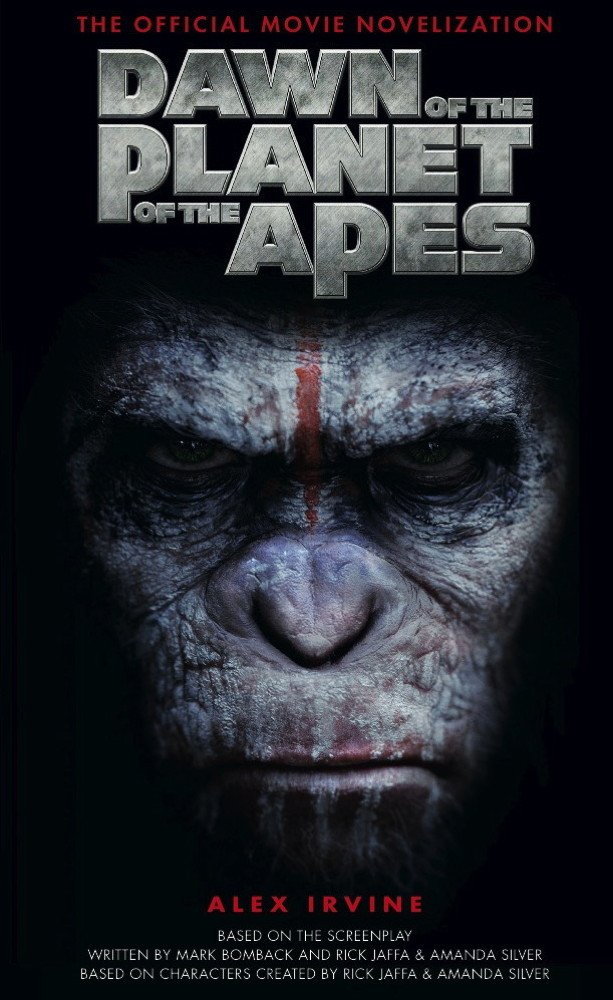
A moment crackles into motion as Caesar moves through the crowded, smoky corridors of a shattered human enclave. The intelligence he has nurtured ripples through his tribe with pragmatic mercy and hard-won cunning. A sudden raid punctuation marks a choice that cannot be undone: trust the fragile peace or risk everything on a calculated strike that could fracture both species. Inside the shelter of a ruined sanctuary, a mother ape shields her infant with a fierce quiet, while a captive medic weighs the cost of healing versus loyalty to a losing cause. The path forward is a threadbare map—distant loyalties, the sharp sting of betrayal, and a decision that will define who survives when the dust settles and the walls of the city reassemble themselves around new law and old memory.
Planet of the Apes (2011 film series) sits within Irvine's broader exploitation of ethics, memory, and animal intelligence, continuing a lineage that interrogates what it means to be human when nature overturns its own claim to dominion. The entries surrounding Caesar's rise reception have ranged from noted visual invention to debates about franchise sustainability, with particular acclaim for its performances and technological cohesion. The series is often recognized for its ambitious handling of paradigm shifts—midst a familiar premise, it expands scope while maintaining intimate character stakes.