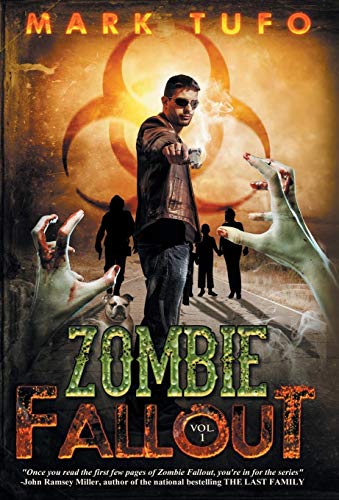
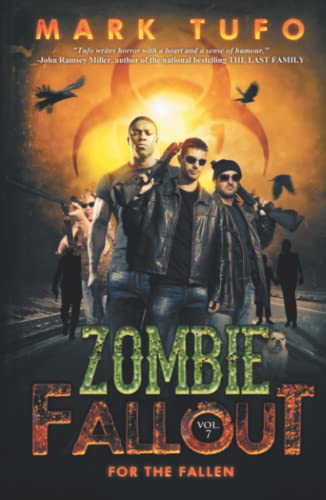
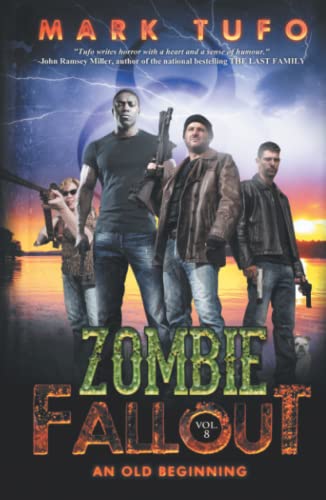
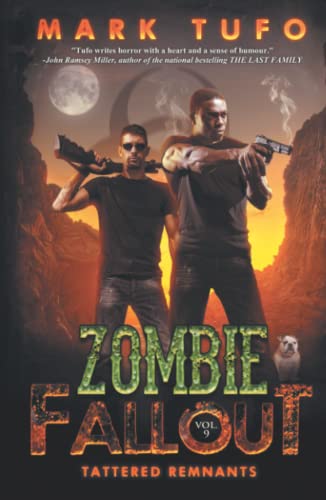
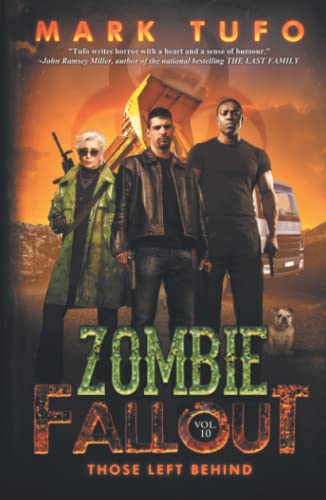
Zombie Fallout
Loading lists...
Summary
A tense, character-driven moment unfolds as a lone survivor threads a careful path through a quiet street that suddenly spirals into the sound of distant scraping and the thud of something heavy breaking through a shuttered storefront. The world is loud with the slow, inexorable approach of danger, and every decision—whether to push through a door, to hide, to cut and run—feels irreversible. In the back of the protagonist’s mind, a stubborn resolve hardens: survival isn’t a victory, it’s a series of partial compromises made under the gaze of unblinking, unanswerable questions.
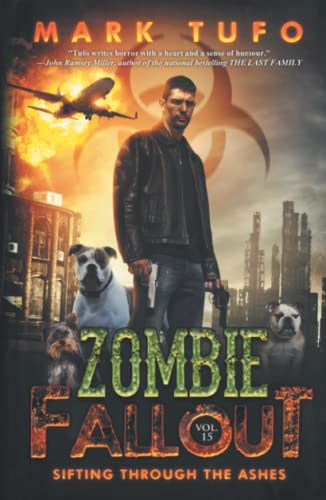
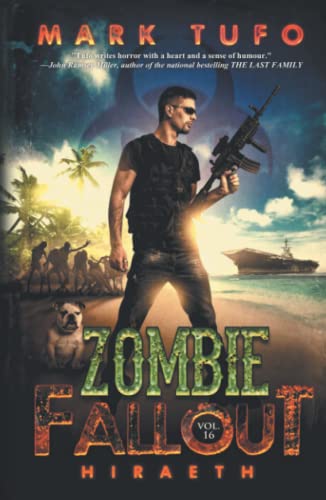
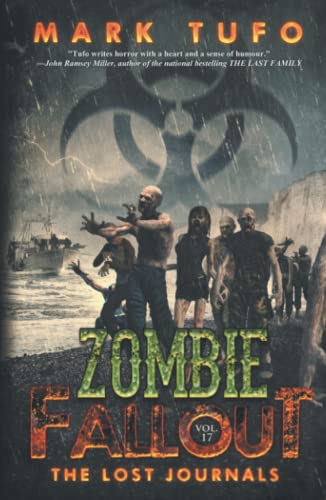
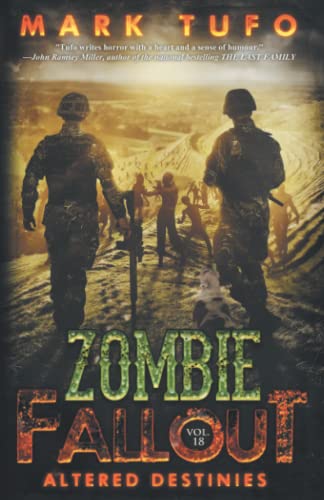
Zombie Fallout sits early in Mark Tufo’s body of work, establishing a stark, character-driven survival arc that recurs across the series. Readers and critics have noted its relentless pace, brutal immediacy, and focus on the choices that define ordinary people when the ordinary world collapses. The series is often discussed for its unflinching portrayal of fear, loyalty, and the messy logistics of staying alive in a ruined society, rather than for grandiose worldbuilding. Reception has been consistently positive among fans of gritty horror with a strong emphasis on character arcs, with occasional remarks about its graphic violence and bleak humor. It stands as a recognizable centerpiece of contemporary zombie fiction, influential for its practical, grounded approach to an apocalyptic scenario.
Main Titles
Additional Titles
Short Fiction
2016
Year
2
Publications
Not Available for Purchase
View Details