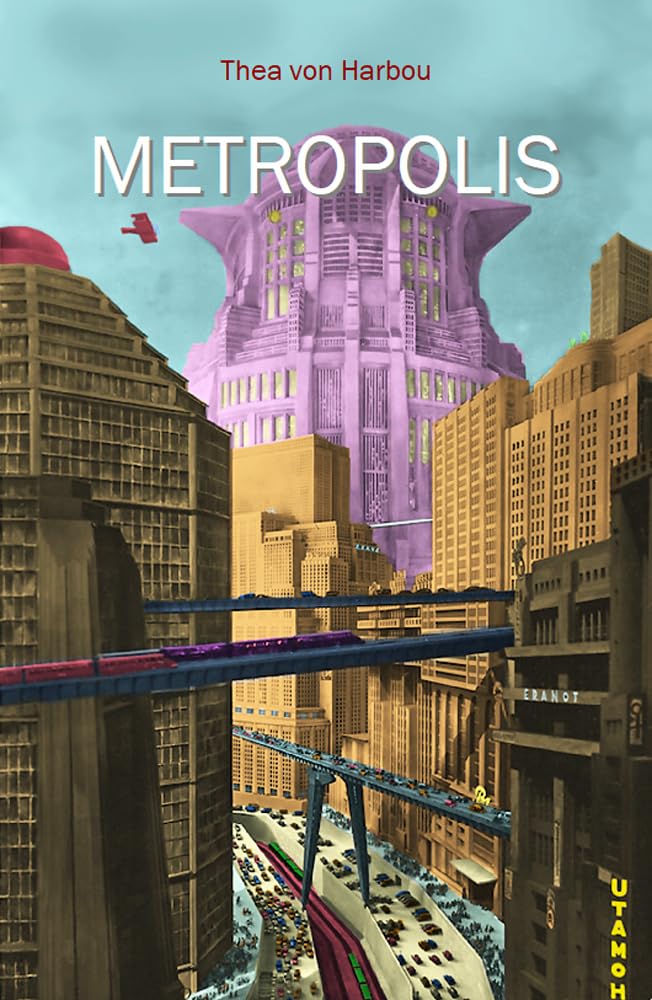
Amidst the labyrinthine streets and towering skyscrapers of a sprawling city, the hierarchy of wealth and labor shapes every heartbeat. Deep beneath the gleaming surface, workers toil in secretive subterranean factories, their hopes bound to the relentless machinery that sustains the metropolis above. Joh Fredersen, the master architect of this urban miracle, seeks to preserve his vision of order, even as whispers of rebellion stir in the shadows. When a mysterious event threatens the fragile peace, loyalties are tested, and the city’s pulse quickens. Heartlines intertwine as discoveries unsettle the status quo, casting light on the true cost of progress.
'Metropolis' by Thea von Harbou holds a significant place in early science fiction and cinematic history, notably inspiring Fritz Lang's famous film adaptation. The novel explores the societal divides between the privileged technocratic elite and the oppressed labor class through its vivid depiction of a sprawling futuristic city. It is praised for its pioneering vision of a mechanized society and its prophetic commentary on technological and social change. Some critics point out its occasionally didactic tone and the gender stereotypes prevalent in its time, but its influence on the cyberpunk genre and dystopian narratives is indelible.