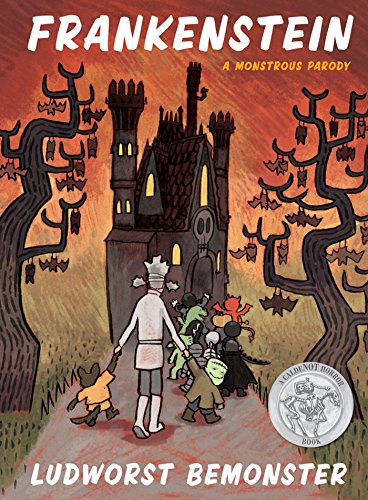
Frankenstein Parodies

Juvenile Fantasy
No Cover Available
Juvenile Fantasy

Summary

The room is crowded and bright with the gadgets of a midnight workshop, each device humming with mischief and possibility. A young, stubborn inventor and I share a single aim: fix what time had mislaid and make right what the last storm scattered. The device we assemble is unruly, full of sparks and stubborn questions, and its true power might be less about reanimating flesh than about reviving trust strangers forget they owe. As we tinker, missteps become lessons, and the city around us seems to tighten its grip, demanding a price we’re not sure we’re willing to pay. A chase spills into alleys slick with rain, and a secret from my cold past returns, asking who I protect and what I’m willing to become to keep them safe.

This series sits at the intersection of classic gothic iconography and playful, modern mischief. Walton uses the familiar figure of Frankenstein to unsettlingly comic effect, staking a claim in the tradition of affectionate parody that tempers fear with laughter. Readers who enjoy sharp character work and wry, situational humor will find a steady, knowing heartbeat beneath the jokes. The books have become a recognizable pivot in the author’s broader catalog, showcasing his talent for turning recognizable myths inside out while maintaining a warm, human center. Critical response has been fond—praising wit, pacing, and the way it invites readers to re-see a familiar monster through a mischievous lens—though some critics note that the humor can tilt into cheekiness for those seeking darker thrills. Overall, the series balances nostalgia with fresh invention, appealing to longtime fans and new readers who crave bright, brisk fantasy with a wink.
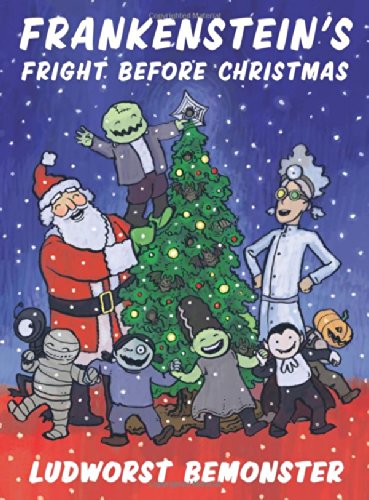
Main Titles

In a windswept town where science fairs hide behind cobwebbed doors, a curious apprentice named Theo uncovers a forgotten notebook and a frayed map to a hidden lab beneath the mill. The pages hum...
In a windswept town where science fairs hide behind cobwebbed doors, a curious apprentice named Theo uncovers a forgotten notebook and a frayed map to a hidden lab beneath the mill. The pages hum with possibilities, and Theo’s longing to prove himself drives him past the town’s wary glances toward a plan that could bend life itself. He gathers stubborn scraps of metal, glass, and courage, hoping to mend what is missing in his own life as much as in the fragile creature he tries to awaken. The process begins with cautious care, a promise whispered between the flicker of lantern light and the stubborn rhythm of gears. Theo treats the being not as a tool but as a friend in need, sharing small victories and consoling failures as if each heartbeat might erase a wound. The creature, unnamed at first, teaches Theo about responsibility, consequence, and the strange ache of longing for belonging, even when one cannot speak the same language as others. When the lab’s walls start to echo with the ghostly chorus of consequences, Theo must decide what survival truly means for both of them. Ahead lies a tangled map of loyalties, secrets, and choices that could redefine family, trust, and what it means to be alive. The longing for companionship collides with a world that fears even the gentlest spark of creation, and Theo’s resolve becomes the stubborn flame that holds them together through the darkest hours.
Snow-laden streets and flickering holiday lights frame Mira’s winter of questions when a clumsy mishap spills into a bigger mischief: an accidentally animated figure from a long-forgotten exhibit...
Snow-laden streets and flickering holiday lights frame Mira’s winter of questions when a clumsy mishap spills into a bigger mischief: an accidentally animated figure from a long-forgotten exhibit awakens in her school’s dwindling science room. The creature, curious and clumsy, lurches through the corridors with a soft, rattling song of gears, drawing Mira into a partnership she didn’t seek but can’t ignore. She feels chosen by the moment, even as the town begins to whisper about miracles and bad luck alike. Mira’s days become a careful balance of hiding the affaires of a lively, creaking companion and confronting what it means to care deeply for someone who cannot fully speak. The creature’s questions about purpose mirror Mira’s own: what makes a life meaningful, and who gets to decide what counts as safe for everyone? As misdirection from older schemes tightens, Mira learns to listen to the creature’s stubborn hope, teaching it to navigate the human world without losing itself in the process. When the holiday season arrives with its bright excuses and darker truths, Mira must steer through choices that threaten to fracture both friendship and faith. The bond they share becomes a beacon and a test: can affection weather scrutiny, fear, and the pressure to conform? The journey promises warmth and wit, even as it tugs at the edges of a very real, very fragile sense of home.