1
Eva Luna
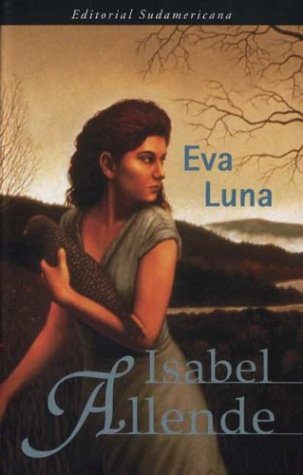

In the vibrant streets of Santiago, Eva Luna’s life unfolds as a tapestry woven with tales, love, and loss. Her stories echo the voices of those around her—passionate lovers, betrayed friends, and resilient survivors—each adding depth to her understanding of the world. Despite the hardships that threaten to drown her, Eva’s unwavering spirit illuminates her path, revealing the profound power of storytelling as a force for hope and change. Her journey is marked by moments of tenderness and fierce independence, as she seeks her place amid the chaos of her homeland. Through her eyes, the tumult of her city becomes a chorus of human resilience, a testament to the enduring strength of the human spirit.
'Eva Luna' is a celebrated work by Isabel Allende, renowned for its lush storytelling and vivid characterizations. It marks a significant milestone in her career, blending magical realism with social critique. Critics praise its lyrical prose and deep empathy, although some find its episodic structure somewhat uneven. The novel's portrayal of Latin American culture and history has cemented its place as a key work in the Latin American literary canon. Its influence extends beyond literature, inspiring adaptations and scholarly analysis, and it remains a beloved classic among fans of magical realism and historical fiction.