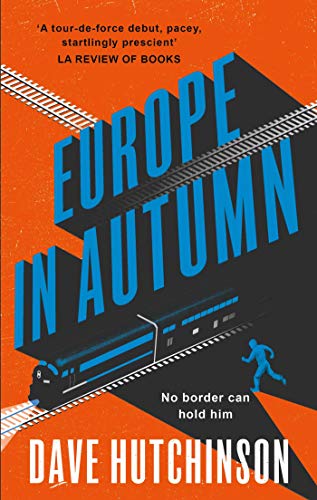
The Fractured Europe Sequence

Loading lists...
Summary
The moment is already in motion: a quiet exchange in a dim café, a signature slid across cracked laminate, and a newspaper that never quite covers the whispers in the room. He listens as routes tighten and debts accumulate, the city’s pulse thudding through every corridor like a heartbeat with a secret. A courier’s misstep ripples outward, dragging a thrown-together alliance into a suspicion-filled maze of loyalties—friends become rivals, rivals become resources, and no one is quite sure who is steering the ship. The negotiating table is a map of fractures: tunnels beneath old rail yards, crates stacked with purpose, and a language of favors traded in the time it takes a train to vanish into the night. In this world, trust is a currency that loses value as quickly as it is spent, and every decision redraws the lines that separate home from elsewhere. Through crowded markets and hushed backrooms, a wary survivor navigates the thin air between staying and going, choosing not just a path, but a price.
The Fractured Europe Sequence sits at a crossroads of espionage and migration-driven political thriller in Hutchinson's broader oeuvre. It expands a quietly monumental arc about fractured borders, digital economies, and the human cost of pragmatic survival in a continent-wide smuggling ecosystem. Critics have praised its brisk, granular world-building and morally granular characters, while some note a relentless, layered complexity that rewards patient readers. The series is celebrated for weaving tight suspense with social critique, though its sprawling scope and procedural urgency can be demanding for casual readers. Overall, it marks Hutchinson as a deft architect of geopolitically brittle futures that feel uncomfortably plausible.
Main Titles
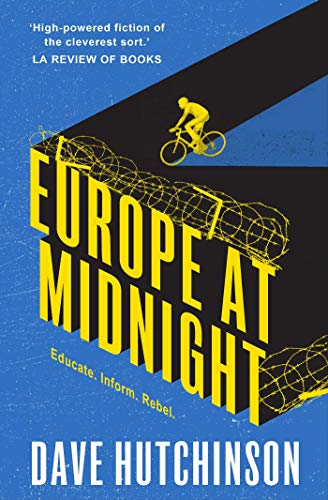
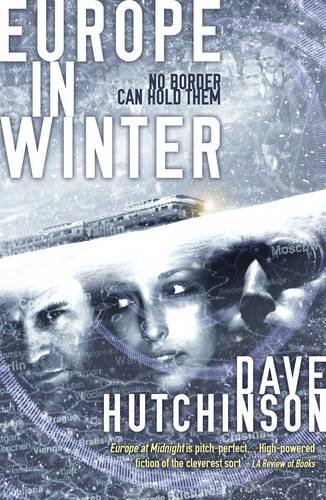
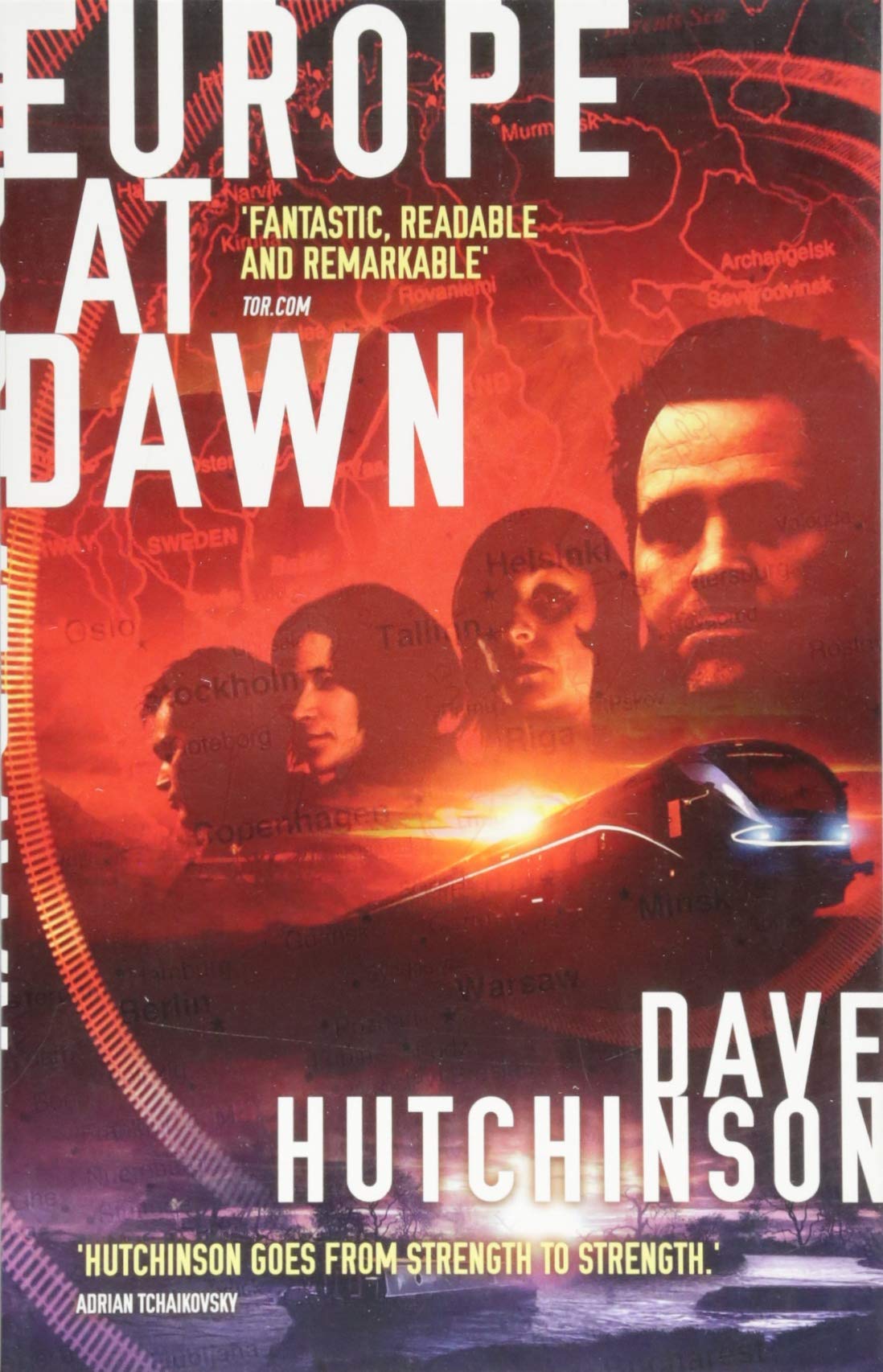
Additional Titles
Novel
2022
Year
3
Publications
Short Fiction

2016
Year
3
Publications

2020
Year
3
Publications