
Tales of Valdur
Loading lists...
Summary
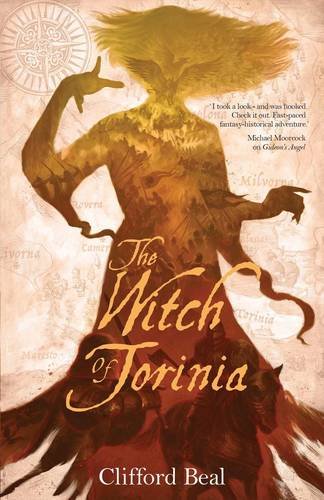
Lysandra Veyne moves through a city built on steel and whispered oaths, where the thunder of firearms competed with the sibilant hiss of old magic. A dawn-driven quarrel between rival houses spills into the narrow lanes, dragging Lysandra into a web of loyalties she never asked for and cannot fully escape. An innocent misstep unravels a fragile balance of power, forcing her to navigate the minefield between trusted allies and dangerous enemies. In the backrooms of taverns and the bell-turret of a witch-haunted manor, every decision tightens or loosens a noose around those she loves. Time, like a powder train, is running hot—and the next spark could ignite everything.
Tales of Valdur remains a cornerstone in Beal’s corpus of historically inflected fantasy, extending his reputation for pairing meticulous world-building with character-driven narratives. The series’ reception has been cautiously celebratory: readers praise the vivid, lived-in settings and the rough-edged moral terrain, while some critics note a demanding pace that rewards patient immersion. This installment, positioned early in the saga, demonstrates Beal’s deft handling of tension between old loyalties and new powers, inviting comparisons to classical epics while asserting its own, grimmer heartbeat. Editorial consensus tempers its strengths with a reminder that the series favors atmosphere and texture over overt, tidy conclusions. Yet for readers who crave a world that feels lived-in and perilously immediate, Tales of Valdur offers a proving ground for loyalty, sacrifice, and the costs of choosing wrong allies. The books have become a touchstone for fans who value historical flavor, moral complexity, and a stubborn, stubborn sense that the next page could rewrite everything.