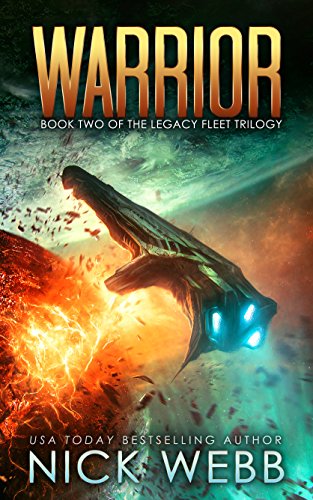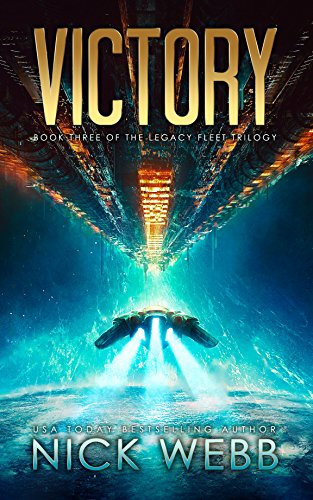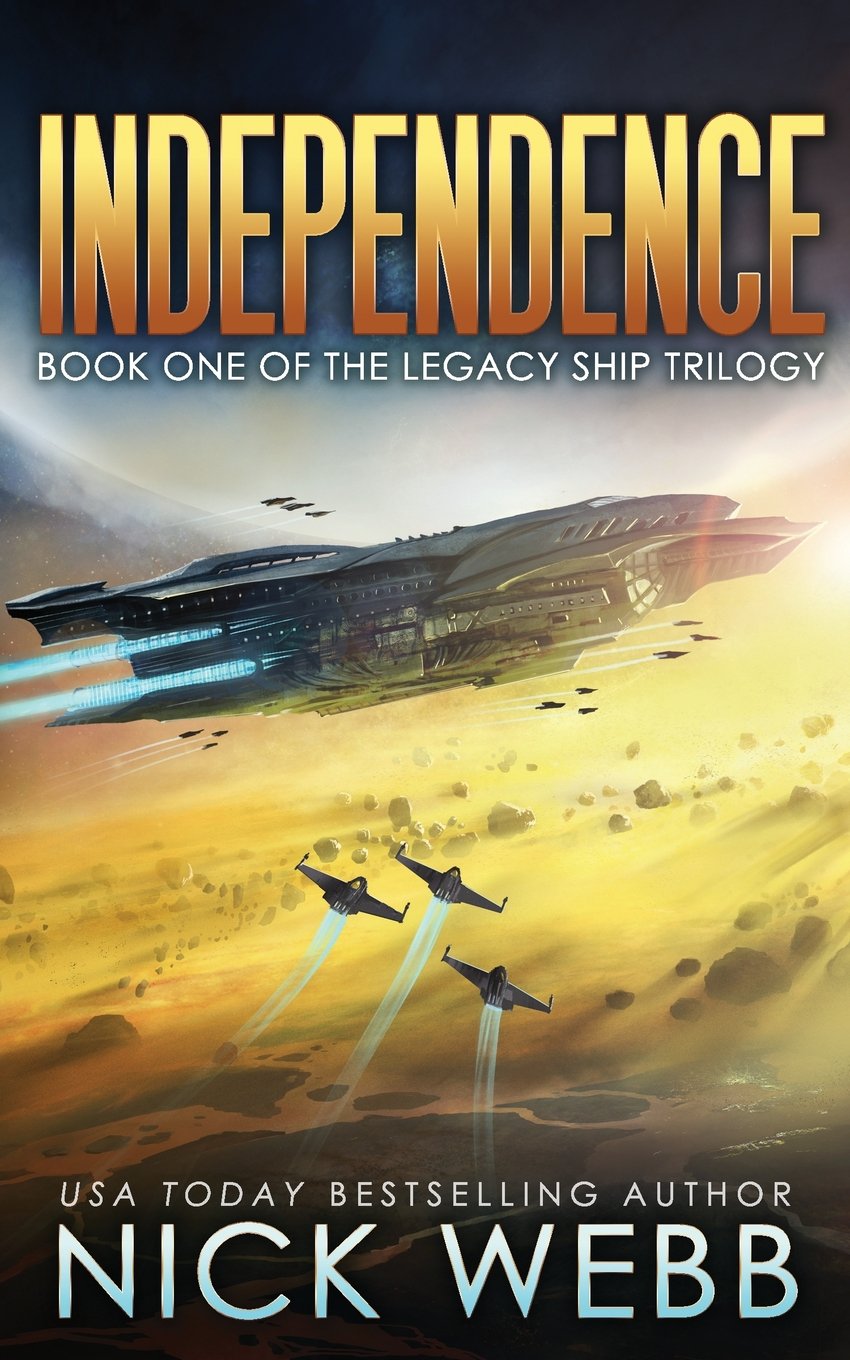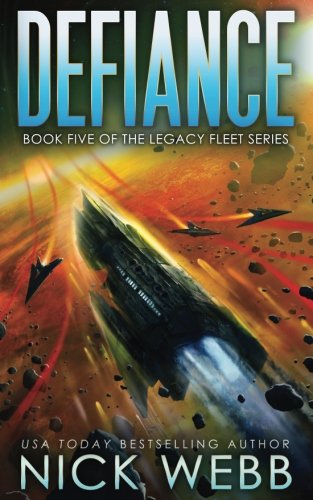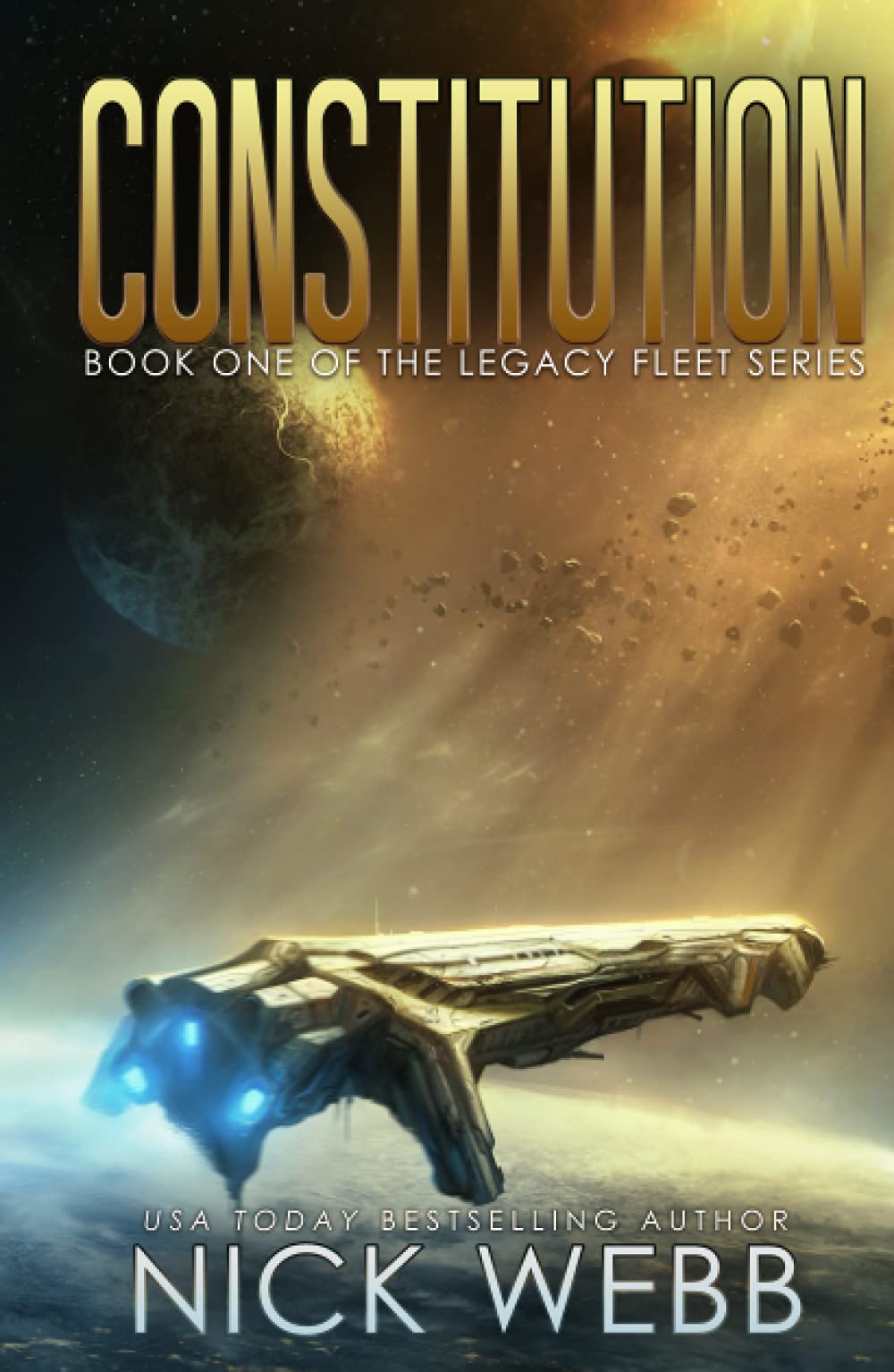
The Legacy Fleet

Loading lists...
Summary
Waking to the clang of a warning klaxon, Mara Kade threads a path through a corridor that smells of ozone and solder. An internal fault has drawn a line of quiet across the deck, and the ship’s engines thrash in stubborn silence until she reorders the fuse grid with a few deliberate gestures. A glance at the map shows a supplier relay gone dark and a convoy slipping from the edge of the system’s sight. She improvises a rendezvous in a corridor of air, where crewmen hold their breath not from fear but from the stubborn need to keep the line intact. In the shadow of a star‑dusted window, a whispered exchange reveals a truth no one wanted to acknowledge: trust must move faster than fear if they are to make it home. As the fleet gathers orders and courage, Mara anchors the moment with a decision that could save hundreds—or doom them all to drift into the void.
The Legacy Fleet sits at a crossroads in Nick Webb’s expanding universe, balancing hard sci‑fi rigor with spaceborne grit and character‑driven choices. The series has earned a steady readership for its practical depictions of command rooms, mutinies, and the toll of long campaigns on crews. Critics have noted its crisp plotting and grounded military ethos, with some praise for the humane portrayal of pilots and engineers amid vast strategic pressures; a few voices have pointed to tonal stiffness in late installments, arguing for more personal risk and emotional immediacy. Overall, it’s regarded as a solid anchor in contemporary space opera, respected for its craft even when readers crave bolder moral shades.