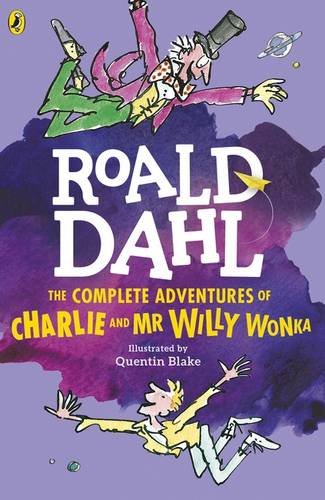
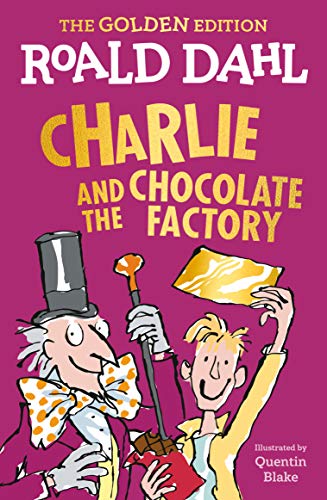
Charlie Buckets’s life tightens around the scent of sweetness and the calculus of sacrifice. He doesn’t seek fortune so much as a fair share of the small mercy that keeps a family warm: a loaf of bread, a kind word, a chance to see his grandmother smile. Inside the factory, danger is playful and perilous in equal measure, and Charlie learns that courage isn’t thundering stand-ups but quiet decisions: refusing to steal a secret, offering his own single golden ticket to a stranger in need, choosing to believe in others when he could almost believe in nothing. The tour spirals through rooms that glitter and grumble, where a boy’s integrity is either a key or a trap, and where the purest magic is the stubborn faith that goodness can still win in a world that gleefully chases glitter over grace.
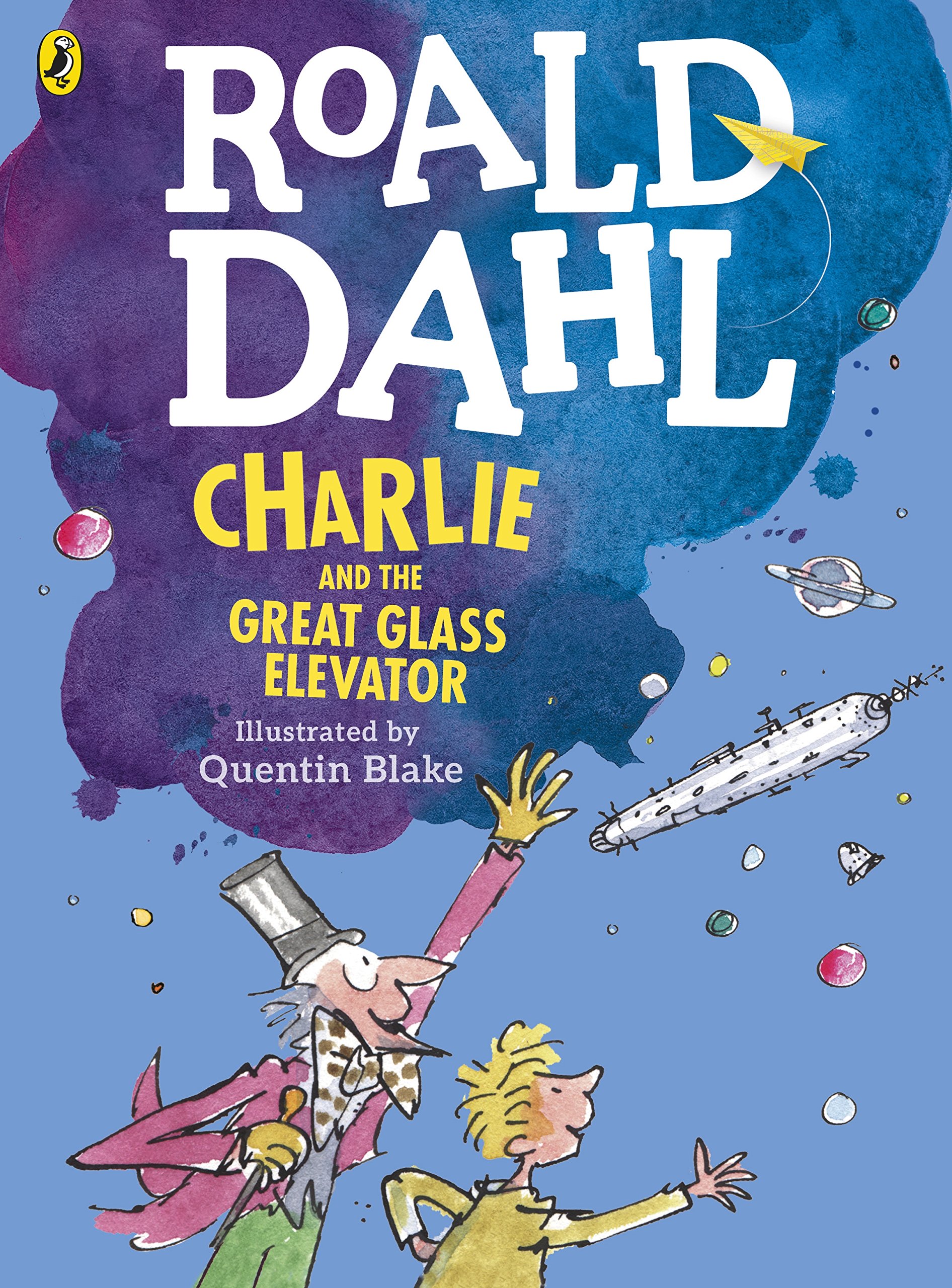
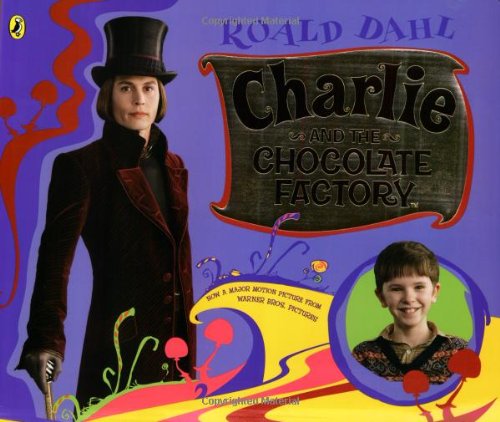
Roald Dahl’s Charlie (Roald Dahl) sits at a crossroads of whimsy and moral bite. This entry sits within the author’s broader corpus of darkly comic, sentimentally human fables that lace danger with kindness. Critics often note its unforgettable blend of pointed social critique and child-centered courage; the series is frequently praised for its inventive voice, brisk plotting, and a willingness to let children shoulder consequences alongside wonder. Some readers champion its sly humor and memorable grotesques, while others seek sharper edges in later adaptations and sequels. Overall, it remains a touchstone for modern whimsical satire that doesn’t shy from uncomfortable truths.