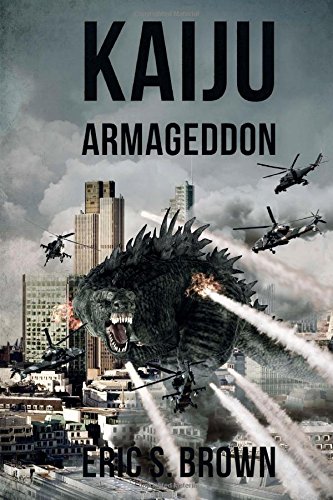
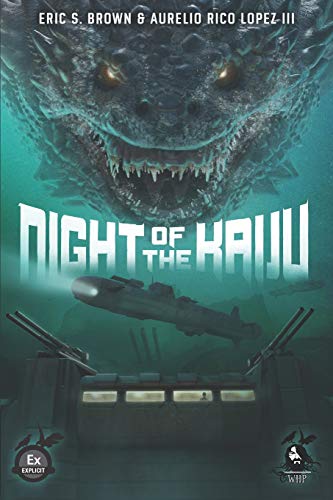
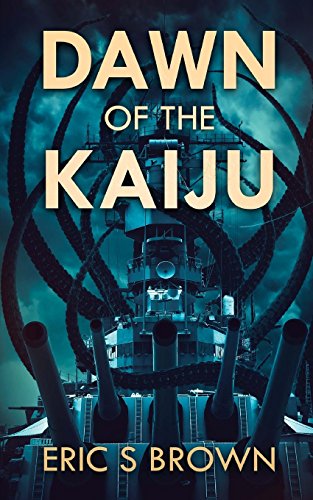
Tremors thread through the harbor district as the first monstrous silhouette uncoils from the sea, and Juno Kestrel’s pulse keeps time with the tremor. The city is a storm cage of glass and rain, a place where every alley holds a whisper of danger and every window frame is a watchword. In the cockpit, the world shrinks to wind, metal, and the pressure of a memory that won’t quit: her sister’s laughter, the way the harbor fog felt like a held breath. They’ve trained for this, yes, but training never prepares you for the moment the monster—twice the size of a cathedral, eyes bright as ruined moons—ambles across the horizon and the scales of fear slip from your shoulders and stand like sentries at your ribs.
Juno moves with a cautious grace, ticker-tape thoughts flaring: routes, fuel, heartbeat. The kaiju speaks in perception—soundless, seismic, almost merciful—and the city answers with sirens and grit. When the first chunk of the quay dissolves into spray, a decision crystallizes with brutal clarity: she will pierce the creature’s shadow, not because she believes she can stop it, but because stopping is what humans do when extinction stares them down. Between bursts of flame and thunder, she finds a fragment of mercy—an opening for a path forward that doesn’t pretend victory is guaranteed, only possible. The monster’s advance slows as if listening, and in that sudden hush, Juno understands the fight isn’t merely against a beast, but for a city’s memory of itself, for the stubborn spark that makes a people refuse to be erased.