The Wars of Aggregation
Loading lists...
Summary
Cael Ardent moves through corridors lined with frost and light, a citizen-soldier who wears resolve like a second skin. He keeps his thoughts near the edge of control, measuring every gesture for the cost of trust. When a locked-door argument with a comrade spirals into a choice that could fracture the last alliance, his instinct is to shield the vulnerable even as it drags him toward a danger he cannot name. Quiet steel, quick wit, and a terror of becoming what he already fights—these habits define him more than any creed, more than any map of stars. In a dim docking tunnel, metal grating humming with engines, he tastes the edge of something bigger breaking loose, and the decision he makes there will redraw the line between loyalty and survival. A patient, intimate pressure builds as he wrestles with a mission that demands more than courage: it demands a reckoning with those he loves and the truth of what aggregation means when numbers become something more than sums.
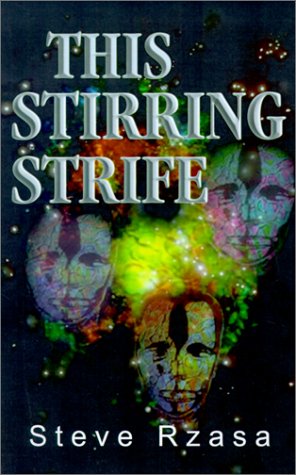
The Wars of Aggregation sits within Steve Rzasa's expansive oeuvre as a continuation of his intricate spacefaring canvases, weaving dense political textures with intimate, character-driven moments. Readers often note the series' ambition and its willingness to risk moral ambiguity for the sake of hard, lived choices. Critics have highlighted its blend of brisk plotting with a willingness to linger on personal stakes, generating both kinetic action scenes and quiet, morally tricky decisions. The first entry, This Stirring Strife, is frequently praised for setting a taut emotional tempo that rewards close attention to character dynamics as much as to worldbuilding, while some reviews point to dense plotting that can demand patient immersion. Overall, the series is regarded as a challenging but rewarding entry in contemporary space opera that favors personal consequence over broad proclamation. Within Rzasa’s broader body, The Wars of Aggregation marks a mature expansion of his recurring concerns with power, responsibility, and the fragility of alliances under pressure. Fans of his earlier works will recognize the signature voice: crisp, unflinching prose that trusts the reader to connect the dots between political chess and the tremor of a single choice made in a corridor at night.
Main Titles