The Messiah Game (reissue of Galactic Rapture in 3 volumes)

ReligionScience Fiction
Cover image for The Messiah Game (reissue of Galactic Rapture in 3 volumes) series
ReligionScience Fiction

Summary

Within the labyrinth of the galactic cityscapes and hidden sanctuaries, Ezra Quinn finds herself entangled in a clandestine game that could alter the laws of reality. As factions vie for control, she must decode ancient prophecies and unravel her own secret heritage to prevent a catastrophe threatening all of existence. Each step reveals betrayals and alliances, forcing her to confront her deepest fears while seeking the elusive truth that might grant her the power to forge a new dawn. Her resolve will be tested in the shadows of cosmic machinations, where hope flickers like a dying star.

'The Messiah Game' stands as a significant achievement in Tom Flynn's bibliography, showcasing his mastery of blending complex moral dilemmas with expansive worldbuilding. Its layered characters and intricate plotlines earned critical acclaim and a dedicated fanbase. Despite some critiques regarding pacing in later volumes, the series remains influential within the space opera subgenre, inspiring many contemporary authors. Its place as a reissue of the original Galactic Rapture in three volumes highlights its continuing relevance and popularity, making it a cornerstone in modern science fiction literature.
Main Titles

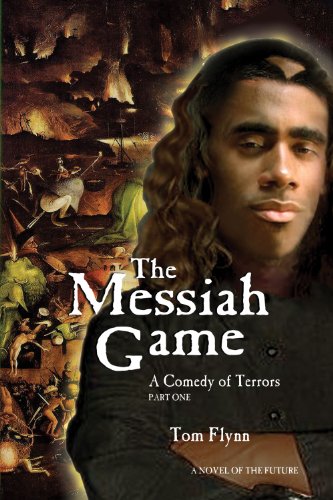
A rumor threads through ruined skylines and neon markets: a figure of sacred promise has appeared where machines grind relentlessly. In The Messiah Game: A Comedy of Terrors - Part I, the young...
A rumor threads through ruined skylines and neon markets: a figure of sacred promise has appeared where machines grind relentlessly. In The Messiah Game: A Comedy of Terrors - Part I, the young pragmatist and reluctant skeptic who will be forced to choose between quiet survival and dangerous devotion becomes the axis around which the city tilts. The world pulsing with sects, sects of science and faith, forces him to navigate a web of rapturous sermons and calculated schemes. He learns that power wears many masks and that belief can be a currency as tangible as data or diesel. The first move is to test loyalty, to weigh the cost of truth against the lure of a grand, dangerous salvation. As secrets surface, the boundaries between friend and foe blur. Our protagonist must decide whom to trust when every ally wears a smile that hides a blade. The game reveals its rules in clever, perilous ways: signals from skyscraper temples, coded prayers embedded in street performances, and a ritual that could retune reality itself. The journey becomes an intimate reckoning with what faith costs when the world you know is already breaking. The stakes rise in quiet, intimate moments that promise both peril and purpose. This opening chapter lays a spine-tingling foundation: a city at dawn, a choice that could redefine humanity, and a protagonist who discovers that the heart can be both weapon and witness in a story where salvation might demand a terrible sacrifice.
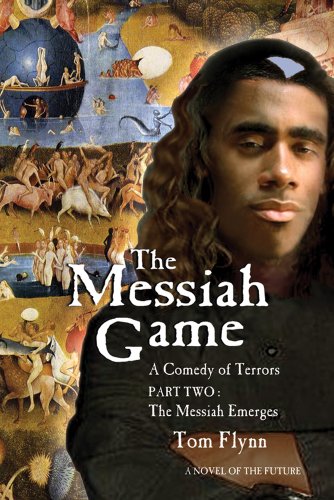
The Messiah Emerges coolly redefines the horizon: the protagonist steps out of the shadows of doubt into a blaze of attention that makes every street a stage and every whisper a weapon. The game...
The Messiah Emerges coolly redefines the horizon: the protagonist steps out of the shadows of doubt into a blaze of attention that makes every street a stage and every whisper a weapon. The game expands with new factions, each convinced they possess the proper scripture to steer civilization back from the brink. Yet as the crowd gathers, the truth grows harder to discern: is the promise they chase a beacon toward unity or a lure toward upheaval? The protagonist carries scars from the first storm, and those scars have sharpened his instincts about who deserves trust and who deserves to be watched. The narrative tightens around personal stakes as a tangle of alliances tests loyalty. Friends become not just confidants but mirrors that show the deciding moments that define a life. Conspiracy hums through the towers and markets, and a perilous romance threads its way through the plot, hinting that humanity’s salvation may rest on choices that feel intimate and imperfect. Each encounter pushes him toward a conviction that the line between faith and manipulation can blur in exhilarating, terrifying ways. What begins as a personal awakening accelerates into a public crisis, where a single act can spark a chorus or a collapse. The second act deepens the moral terrain, proving that the journey toward faith is as much about who remains when the music stops as who leads when the drums begin.
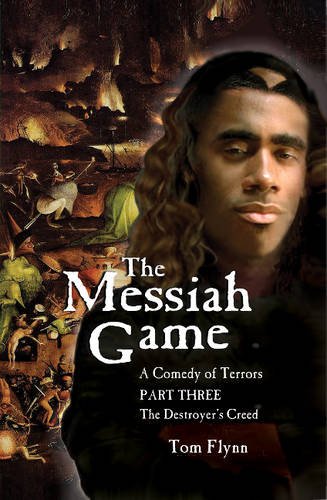
The Destroyer’s Creed closes the arc with a reckoning as the city’s fragile peace fractures under the weight of returned powers and revealed histories. The protagonist confronts the full spectrum...
The Destroyer’s Creed closes the arc with a reckoning as the city’s fragile peace fractures under the weight of returned powers and revealed histories. The protagonist confronts the full spectrum of consequence: the things burned, the people spared, and the truths that refuse to stay buried. The creed of the title—whether about vengeance, duty, or salvation—touches every corner of a world where technology mimics the divine and devotion can fracture into necessity. The danger is no longer distant; it has become intimate, urgent, and uncomfortably personal. As revelations erupt, the protagonist learns that leadership is a discipline of restraint as much as risk. He must navigate the fallout of choices that echo through the lives of those who trusted him and those who stood to profit from his downfall. Tactical misfires, heartbreak, and hard-won wisdom frame a finale that refuses easy outcomes. The architecture of the story tightens into a single, defining moment: a decision that demands everything, and may redefine what it means to be human when the line between savior and destroyer is forever erased. In this closing stretch, the personal and the political collide with devastating clarity. The Messiah Game culminates in a resonance that lingers beyond the last page: a reminder that faith, once awakened, never fully returns to sleep, and the road to answer is always paved with choices that demand courage, mercy, and sacrifice.