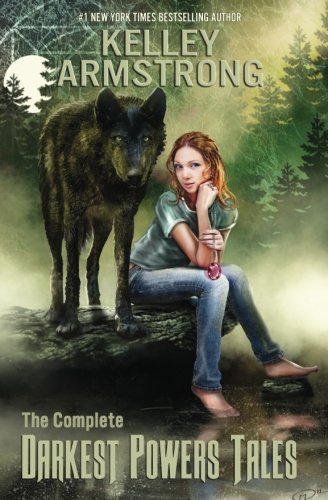
The doors slide open and a cold, clinical wind travels the hallway like a herald. Chloe presses on, chasing a fragment of freedom she’s not sure she deserves. The house’s heartbeat—hard, aching, and insistently alive—thuds in time with her pulse as she moves through the wing where secrets ferment behind glass and locked doors. A whispering voice slips from the vents, a memory she can almost grasp: a grandmother’s lullaby tangled with a smell of rain and iron. The people she’s trapped with aren’t just patients or experiments; they’re siblings in a covert, fragile rebellion she’s only beginning to name. When a rescue plan flickers to life—tentative, imperfect, dangerous—she learns that power isn’t a weapon to wield but a truth to own, even when the truth hurts. Trust is a ledger with few credits and many liabilities, and Chloe begins to balance it with a stubborn grace, deciding who she will become in the face of the shadows that cling to every corner of Lyle House.
The Darkest Powers Universe sits as a pivotal expansion to Kelley Armstrong’s urban fantasy landscape, weaving together high-stakes supernatural peril with grounded, teenage perspectives. It stands as a bridge between intimate character arcs and broader, agency-driven plotlines that ripple across Armstrong’s other works, inviting readers to follow damaged, determined youths through confining institutions into a world where power hides in plain sight. Critics have noted its brisk pacing, sharp dialogue, and confident handling of ethical gray areas in youth with emerging powers. Reception has been generally positive for its character focus and suspense, with some commentary calling out familiar genre terrain as comfortingly effective rather than groundbreaking. Overall, it’s regarded as a solid-entry modern classic within its niche, appreciated by fans for its authentic voice and addictive, page-turning momentum.