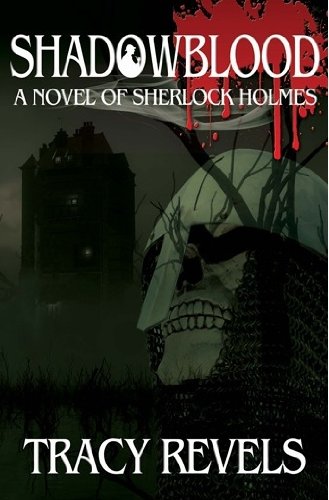
Sherlock Holmes (Tracy Revels)
Loading lists...
Summary
Deep within the fog-choked streets of Victorian London, a brilliant mind works tirelessly beneath the gas-lit glow of lanterns and the busy hum of the city. Holmes' deductive genius turns the seemingly unsolvable into clarity, unraveling secrets buried beneath layers of deception. Every case tests his mental acuity and personal resilience, revealing the fragile line between order and chaos. Despite his aloof exterior, moments of vulnerability show his profound empathy for those who are lost in the shadows. The series captures the tension of each investigation, the thrill of discovery, and the intricate dance between chaos and reason. Holmes' world is a tapestry of whispers, clues, and silent observations, where every detail counts and nothing is accidental. As he peers into the darkness, he shines as a beacon of sharp intellect and unyielding resolve, illuminating the hidden truths lurking behind London’s cobblestone facades.
'Sherlock Holmes (Tracy Revels)' stands as a distinctive reimagining of the classic detective stories, seamlessly blending traditional Victorian atmosphere with sharper modern sensibilities. Tracy Revels’ work is often praised for its meticulous craftsmanship and the vividness of its characters, particularly Holmes himself, whose intellectual prowess and personal flaws are vividly drawn. The series has garnered several awards in the mystery and historical fiction genres, solidifying Revels' reputation as a master storyteller. Critics commend the series for its compelling mysteries and rich period details, though some note that the dense, intricate plotting might challenge casual readers. Its influence on contemporary detective fiction is notable, inspiring both homage and innovation within the genre. Overall, the series is regarded as a significant contribution to the Sherlock Holmes legacy, delighting longtime fans and newcomers alike with its clever twists and faithful yet fresh reinterpretation.