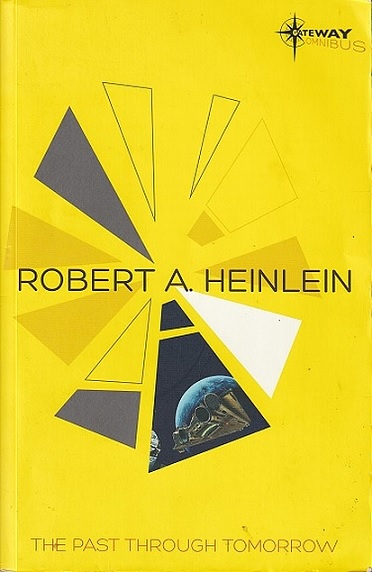
The world is already moving when Harriman notices the first creak of the convoy’s hull and the subtle shift of voices over the comms. He doesn’t shout or dramatize—he measures: the rations, the routes, the potential betrayals wearing the faces of trusted comrades. A plan forms in a sequence of actions as precise as a seasoned engineer’s blueprint, a plan that depends on keeping the mutiny seen as a coordinated malfunction rather than a conscious refusal to obey. In the claustrophobic corridors, relationships tighten into tense alliances; old grievances push against newly minted loyalties as trust frays and reforms in the same breath. Each choice Harriman makes is a negotiation with a future he cannot yet predict, a calculation where the cost isn’t just credits or lives but the shape of the crew’s moral map.
Compromises crowd the airlock as they approach the critical moment: a test of who remains in the shadow of the mutineers, who steps forward with a different lie to tell, and who chooses to risk everything for a chance at something more fragile than hope. Harriman’s quiet stubbornness—his insistence on measuring every move, his stubborn belief that the right question can still save them—keeps the group from dissolving into panic, and in that stubborn quiet he becomes more than a survivor: he becomes the line between despair and the possibility of a new order.
Heinlein’s D. D. Harriman universe sits at the edge of speculative physics and practical survival. This enrichment foregrounds the crew’s frayed loyalties, the pressure of a rationed future, and the stubborn, improvisational grit that drives them when official channels fail. The series, within Heinlein’s broader corpus, emphasizes sharp intellect, social complexity, and confrontations that test what it means to belong to a collective that’s chosen exile from ordinary norms.