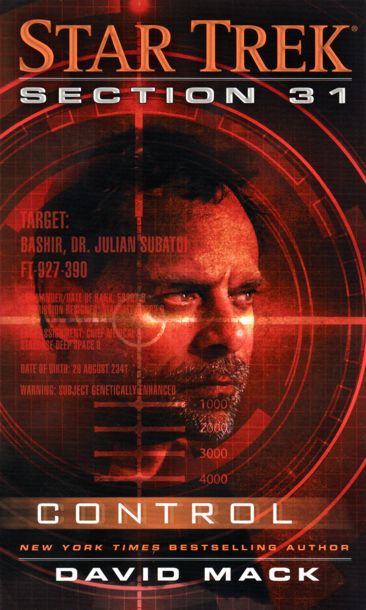
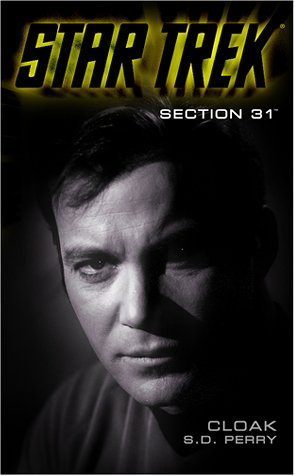
Elara Kade moves through the ship’s service corridors with the casual precision of a trained operative, masking the moral scars that come with every clandestine choice. A routine liaison plunges into a quiet crisis when an off-the-record contact starts naming names, forcing her to navigate a web of loyalties that blur the line between ally and traitor. As a mission spirals toward a decision that could fracture the Federation, Elara must decide what she’s willing to sacrifice—her cover, her colleagues, or the very ideals she’s pledged to defend. The stakes tighten around her as a routine signal becomes a cipher, and a single whispered truth becomes the key to a dangerous truth she’s already sworn to forget.
Mangels' Star Trek: Section 31 extends the franchise's tradition of covert intrigue within a recognizable future. While not the first foray into the Section 31 milieu, it zeroes in on the human cost of clandestine power and the quiet betrayals that ripple through Starfleet. Critics have noted its brisk pacing and character-driven suspense, with some praising the way it preserves the imperial quiet of Section 31 even as it probes the loyalties of its operatives. A few reviews have pointed to tonal sharpness and others to a leaner, more procedural feel than earlier entries; overall it’s been seen as a solid, if niche, addition to the broader Star Trek canon.