1
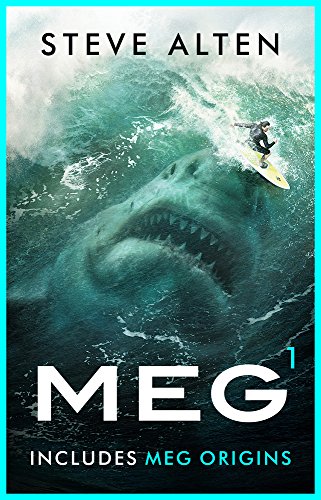
Meg

Cold oil, brighter adrenaline, and a promise to a vanished colleague push Jonas into a corridor of water that’s never quite water. The Meg’s presence isn’t merely a threat to the shallow hospitalities of surface life; it’s a reminder that the human body is a map of fragile lines and stubborn dreams. The crew fights a current that knows their names, while the creature’s ancient hunger threads through their radios, erratic as a throat full of kelp. Every turn of the sub reveals a new chamber of awe and danger: caves breathed from the abyss, a pipeline of abandoned gear, a drill that rings with the memory of a failed attempt at escape. As the trench closes around them, choices pile up like cargo—free the net, abandon a comrade, or risk a spectacle that could salvage humanity’s place at the edge of the ocean, or erase it. Jonas tests the limits of courage and cunning, learning that survival here requires more than nerve; it demands a willingness to become as unyielding as the sea itself.
Meg (Shark) sits within Steve Alten’s broader ouvre of high-concept creature thrillers, blending claustrophobic suspense with relentless cinematic menace. The series carved a pulse-pounding niche in nautical horror and practical submersible survival, earning a steady readership and notable attention for its audacious premise and practical marine detail. Critics have often highlighted the relentless tempo and visceral set pieces, with some praising the brisk pacing and others calling for more character nuance between the shocks. Overall, it remains a recognizable benchmark for modern monster-adventure and a gateway into a subgenre that prizes high-stakes tension over lyrical exposition.