
Laundry Files

Loading lists...
Summary
A colleague’s chilling message arrives via an encrypted channel, the line crackling with static that stings the ear like frost. The target isn’t a cipher or a suspect, but a pattern that resists interpretation: a sequence of ordinary days in which something deliberate has been left unsaid, a presence lurking behind spreadsheets and surveillance feeds. As Bob navigates a maze of compliance forms, coffee-stained memos, and whispered warnings from the SIS, the mundane becomes dangerous—the kind of danger that lives in the corners of a city where the ordinary is a mask for the extraordinary. A prank escalates into a threat to the entire network, and Bob’s quiet competence is all that stands between the familiar world and a creeping, calculating fog that wants to be believed.
The Laundry Files sits at the intersection of espionage and arcane computation, weaving a sharp, wry voice through a world where intelligence work collides with occult math. It’s a cornerstone of Charles Stross’s broader exploration of information-age dread, balancing satirical bite with genuine technothriller tension. Critics have noted its clever plotting, brisk pacing, and the way it threads grimly plausible tech into Lovecraftian weirdness. The series is celebrated for its inventive premise and character-driven stakes, though some readers find the tonal mix of bureaucracy and horror an acquired taste. Overall, it remains a standout example of modern science-fantasy that respects its outsider-data-smart tone while delivering punchy, memorable scenarios.
Main Titles


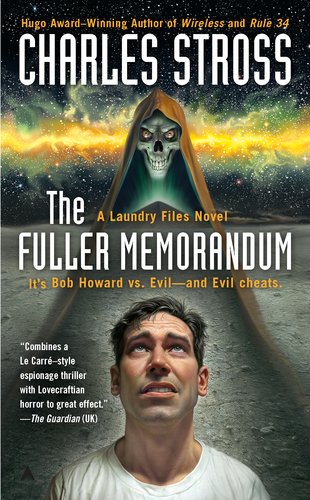


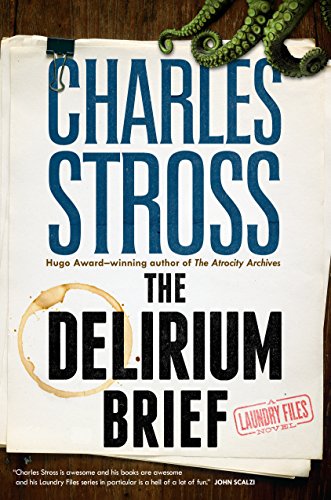
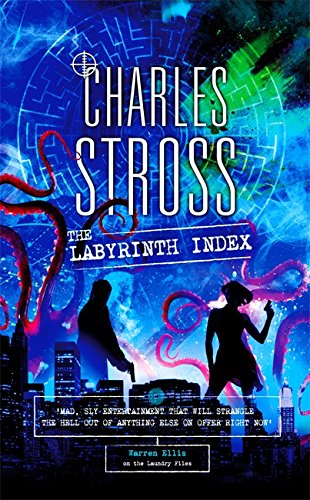
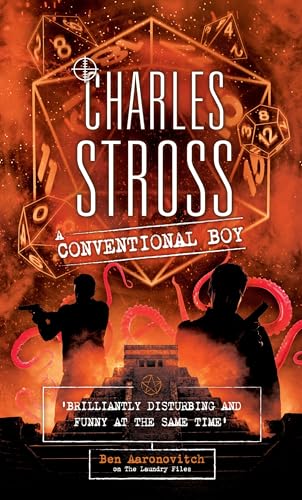

Additional Titles
All-In-One
2004
Year
19
Publications
2006
Year
1
Publications
Collection

2014
Year
2
Publications
Not Available for Purchase
View Details

2025
Year
7
Publications
Short Fiction

2022
Year
8
Publications