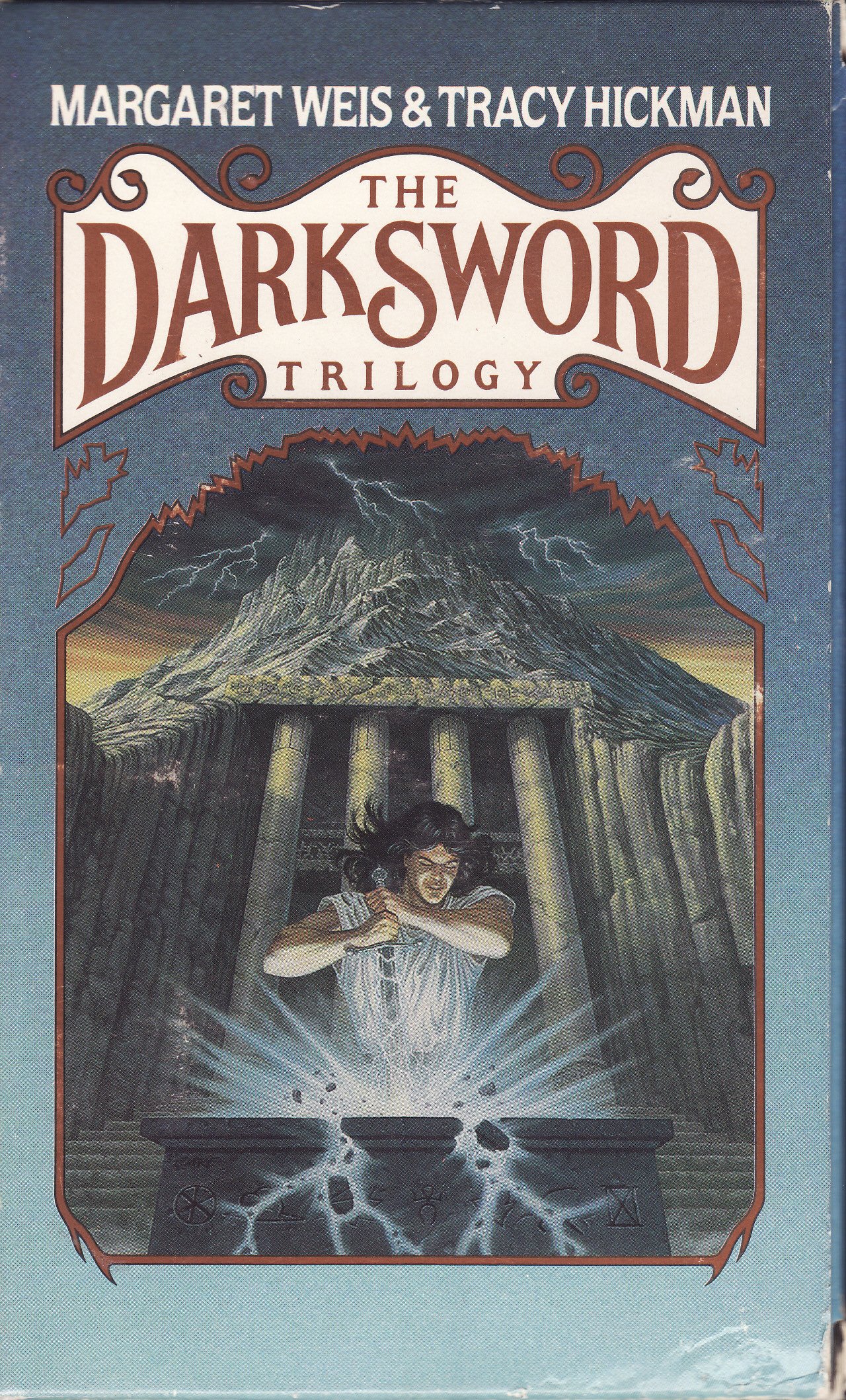
Darksword
Loading lists...
Summary
The moment arrives in two breaths: rain streaks down the stone while a whispered oath hums in the air, and Joram’s knuckles tighten around a power he’s learned to hide. The city’s orderly lies crumble under a summons he cannot ignore, pulling him toward a fate that feels both unbearable and necessary. As factions whistle through narrow streets—church, court, and guild alike—he must decide if he will guard a fragile, forbidden magic or weaponize it to survive. Each choice leaves a scar, every alliance a risk, and the line between salvation and ruin grows razor-thin as the mountains rise in the distance, mocking his doubt with the promise of old, dangerous truths.
The Darksword series sits within Weis’s broader fertile tapestry of late-20th-century fantasy, sharing its kinetic plotting and character-driven stakes with other classic heroic narratives while standing apart through its blend of faith, politics, and personal destiny. The trilogy foregrounds a protagonist whose hidden power interrupts a rigid social order, and its reception has highlighted its brisk pacing and mythic jeopardy. Critics have noted its accessibility for readers seeking traditional quest-driven fantasy, though some have commented on the tonal shifts across the sequels and its place in Weis’s diverse body of work. Overall, it remains a touchstone for fans of empowered, conflicted heroes under pressure from entrenched powers.
Main Titles


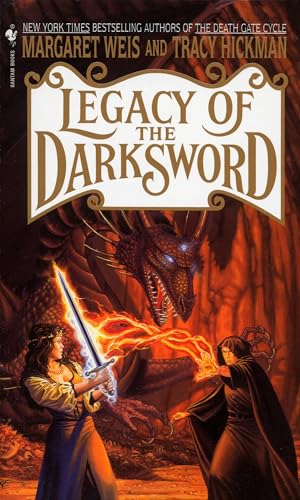
Additional Titles
Novel
1988
Year
2
Publications
All-In-One
1989
Year
1
Publications
Short Fiction

1988
Year
11
Publications
1988
Year
11
Publications
1988
Year
11
Publications

1988
Year
2
Publications