Newford

Urban FantasyFantasyBest Of Year Anthology
Cover image for Newford series
Urban FantasyFantasyBest Of Year Anthology
Loading lists...

Summary

Deep within the bustling streets of a city alive with stories and secrets, a young woman named Joan finds herself drawn into a world where magic pulses just beneath the surface of everyday life. Her artistic eye uncovers hidden symbols and whispers of ancient spirits, guiding her through a labyrinth of folklore and urban legend. As she encounters beings both wondrous and dangerous, Joan must unravel the mysteries of her heritage and the city’s enchanted history. What begins as a subtle exploration of myth turns into a personal quest for understanding and acceptance. Her interactions with local mythic figures and her own inner doubts set the stage for a tale of resilience and discovery. In this city of shadows and light, every corner holds a story waiting to be told, and every encounter pushes her closer to her true destiny.

The 'Newford' series by Charles de Lint is renowned for its lyrical prose and deep immersion into urban fantasy. It has garnered a dedicated following, especially among fans of mythic fiction blended with contemporary settings. While it may not have received major literary awards, its influence on the urban fantasy genre is significant, inspiring many writers and elevating the potential of city-based magical storytelling. Critics praise de Lint's vivid worldbuilding and character-driven stories, though some find the series' mystical elements to be somewhat understated or subtle. Its strong focus on personal relationships, folklore, and local legends makes it a standout within modern urban fantasy, offering a tapestry of interconnected stories that resonate with themes of community and identity.

Main Titles

Jaiman and the city of Newford are both waking to secrets in this quiet, uncanny opening. Jaiman, an artist whose life straddles the ordinary and the strange, is drawn into a web of memories that...
Jaiman and the city of Newford are both waking to secrets in this quiet, uncanny opening. Jaiman, an artist whose life straddles the ordinary and the strange, is drawn into a web of memories that are not wholly his. As objects and faces start to carry other people’s recollections, he must follow threads of dream-logic through city streets, old houses and the liminal places where the living and the remembered meet. A missing heirloom and a ghostly melody lead him into encounters with neighbors who harbor private magics, each encounter peeling back layers of loss and longing. As Jaiman pieces together shards of stolen memory, he discovers that restoring what was taken will demand sacrifice and honesty. The book balances intimate domestic detail with an expanding sense of wonder: conversations in kitchen light, late-night walks that turn toward ancient trees, and small, potent acts of listening. Memory and Dream sets the tone for the city’s pulse—people bound by memory, haunted by what they cannot forget, and the tentative hope of mending what has been fractured.
4
Trader
In the wake of recollections stirred and shifted, Trader brings a different kind of hunger to Newford: the commerce of stories, favors and bargains. Tris, a small-time dealer of antiques and...
In the wake of recollections stirred and shifted, Trader brings a different kind of hunger to Newford: the commerce of stories, favors and bargains. Tris, a small-time dealer of antiques and curios, finds his shop suddenly a crossroads for strangers who trade more than trinkets. When a customer offers an impossible bargain—an item that promises to fix a life in exchange for a future debt—Tris must decide how far he will go to help, and who he will become in the process. The city’s myths seep into everyday commerce; deals are struck in whispers and promise to change people’s roles forever. Tris’s choices ripple into the lives of those he thinks he knows: an ex-lover seeking redemption, a neighbor clinging to vanishing traditions, and a younger streetwise apprentice learning the cost of promises. The story maps how favors compound and how kindness can be a currency as powerful as any artifact. The book reveals that trading in Newford is never just about goods—it's about obligations, memory, and the way small acts of courage transform ordinary lives.
The city’s boundaries shift in Someplace to Be Flying, where the yearning to escape takes flight—sometimes literally. Aislinn, restless and brave, longs to be somewhere else, to leave the cramped...
The city’s boundaries shift in Someplace to Be Flying, where the yearning to escape takes flight—sometimes literally. Aislinn, restless and brave, longs to be somewhere else, to leave the cramped certainty of daily life for horizons that call with wind and possibility. When she encounters a stranger with a map to lost skylines and access to an otherworldly craft, Aislinn’s longing becomes a journey. Her flights are not just physical: they are negotiations with grief, songs of release, and experiments in remaking oneself. As Aislinn explores airborne paths above Newford, she discovers people tethered by unseen weights—old loves, unspoken fears, and civic histories that refuse to stay buried. The book threads her aerial adventures with grounded relationships: a reluctant mentor who fears losing pupils, friends who must learn to let go, and citizens whose stability depends on the sky she now claims. Flying becomes a metaphor for courage, for learning how to belong while seeking freedom, and for the delicate acts of return that complete any true journey.
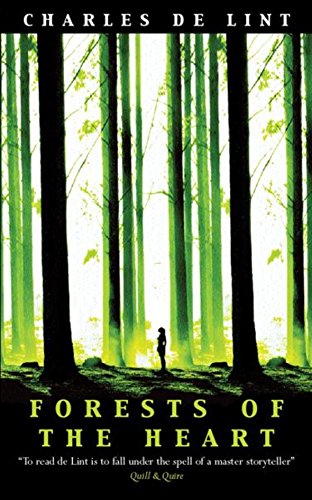
Forests of the Heart pushes inward, into the tangled corridors where human longing grows like underbrush. Leah, a woman haunted by the echo of a past love, enters a literal and figurative forest...
Forests of the Heart pushes inward, into the tangled corridors where human longing grows like underbrush. Leah, a woman haunted by the echo of a past love, enters a literal and figurative forest that reshapes those who enter. As she tracks missing kin and confronts creatures who barter secrets, Leah must navigate loyalties that bind friends and enemies alike. The forest answers in riddles, offering solace and danger in equal measure; every clearing reveals a memory, every path opens onto a choice. Alongside Leah, a circle of neighbors—caretakers, lovers, and stubborn elders—confront the ways grief and hope shape their lives. The community’s roots are exposed: old betrayals, abandoned promises, and acts of unexpected compassion. Romance and reconciliation are woven together as characters learn to read the forest’s language, to honor loss without being consumed by it. The novel insists that to follow the heart’s trail is to risk getting lost—and to risk finding a deeper, harder kind of belonging.
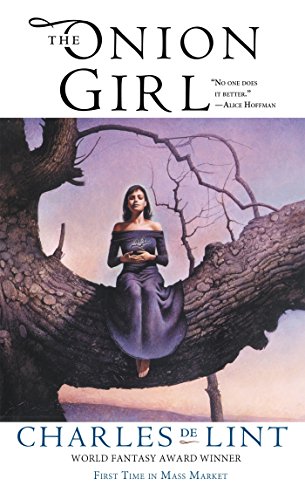
The Onion Girl centers on Jilly, a woman whose life has been carved by wounds she keeps hidden beneath layers of humor and survival. When a violent episode in her past reasserts itself in the...
The Onion Girl centers on Jilly, a woman whose life has been carved by wounds she keeps hidden beneath layers of humor and survival. When a violent episode in her past reasserts itself in the present, Jilly must peel back those layers to reclaim a self she’s long protected. Her journey into the city’s underlayers reveals a world of forgotten doors, hidden rooms and the people who live between walls—mourners, tricksters and guardians who teach her how to convert pain into power. Jilly’s inner excavation is mirrored by the external stakes: friends rally, relationships are tested, and the city’s tender underbelly shudders under new pressures. As she confronts the architects of her fear, Jilly also uncovers a lineage of female strength and community solidarity. The Onion Girl is intimate and fierce, mapping how peeling back the past can let in light, how vulnerability becomes a bridge to others, and how a person reclaimed becomes a force for tender revolution.
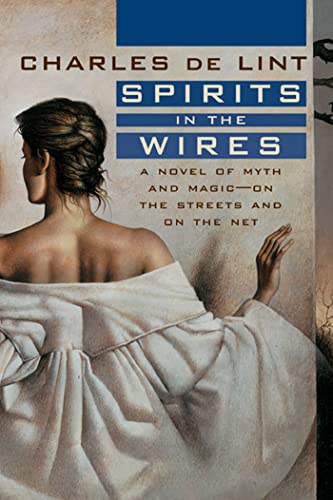
Technology and old spirits collide in Spirits in the Wires, where modern life tangles with ancient presences. Marcus, a technician who fixes failing networks, begins to hear voices through the...
Technology and old spirits collide in Spirits in the Wires, where modern life tangles with ancient presences. Marcus, a technician who fixes failing networks, begins to hear voices through the city’s wires—echoes of ancestors, animals and city-souls that have found new conduits in copper and fiber. As the glitches grow more intentional, Marcus must translate messages that blur the line between machine and myth. Each repair job reveals an underlying grief: a community neglected, a species displaced, a memory seeking recognition. Marcus’s personal life—his strained relationship with a partner and a father whose stories have gone silent—intersects with the citywide mystery. Allies emerge: folklorists, street musicians and elders who remember the old rites. Together they must negotiate with spirits newly fluent in code, balancing technological fixes with ancestral listening. The tale explores how progress can amplify loss but also how sensitive repair—technical and emotional—can restore voice and connection across generations.
Widdershins turns the city’s rhythms inside-out, following those who move against the conventional grain. Nora, a person who has always felt slightly sideways in the world, finds that her missteps...
Widdershins turns the city’s rhythms inside-out, following those who move against the conventional grain. Nora, a person who has always felt slightly sideways in the world, finds that her missteps open doorways others did not notice. When a sequence of small reversals—lost jobs returned, forgotten faces remembered—becomes a pattern, Nora learns she is tugged by a counterclockwise current that reshapes fate. Her gift demands compassion; to reverse a harm may invite consequences as unpredictable as the initial injury. Alongside Nora, neighbors—an ex-detective, a child prodigy in mischief, and an old woman who knows the city’s secret names—must decide whether to follow the widdershins path. The book examines the ethics of undoing: when is it right to reverse an outcome, and who pays the price? Nora’s choices force her to reckon with the city’s buried histories and with her own desire for agency. The narrative becomes a study in repair, rebellion and the delicate artistry of moving against the grain to restore balance.
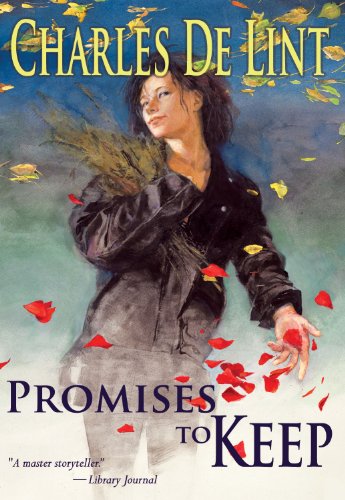
Promises to Keep is a study of obligation and the threads that bind people across years and mistakes. Theo, who has spent his life making small vows and keeping them against odds, faces a promise...
Promises to Keep is a study of obligation and the threads that bind people across years and mistakes. Theo, who has spent his life making small vows and keeping them against odds, faces a promise he cannot ignore: an old pact with a friend whose fate is entangled with the city’s future. As obligations collide with new attachments—a romance, a found family, a community project—Theo must decide which promises must be honored and which must be released. Each decision echoes through neighborhoods and into private rooms where people weigh duty against desire. The stakes are personal and civic: neighborhoods threatened by change, elders counting on memory to validate lives, and young people who must inherit choices they did not make. Theo’s path forces reconciliation with past failures and a commitment to active repair. Through interwoven relationships and small acts of integrity, the book shows how keeping promises is less about rigid fidelity and more about listening, adapting and being present when others need you most.
The Wind in His Heart closes a circle in Newford with a story of longing that finally finds its melody. Finn, a musician whose songs once charmed and healed, has retreated after a series of losses....
The Wind in His Heart closes a circle in Newford with a story of longing that finally finds its melody. Finn, a musician whose songs once charmed and healed, has retreated after a series of losses. When a restless current of change begins to sweep the city—storms that sing, strangers who remember old lyrics—Finn is called back to the center of things. Relearning to play becomes a process of remembering ancestors, reconciling with those he left, and answering the call of a city that still pulses with unseen music. His return draws the people he has touched: lovers, rivals and apprentices who must all confront how music shaped their bonds. Finn’s struggle to trust his own voice mirrors the city’s attempt to reconcile past and present. The novel celebrates the small recoveries that make a life: a song learned anew, a forgiveness offered, a street reclaimed. In the end, wind and heart meet and the city listens, proving that some melodies, once lost, can still find their way home.

Additional Titles

Novel

All-In-One

Collection

Short Fiction