1
Alien
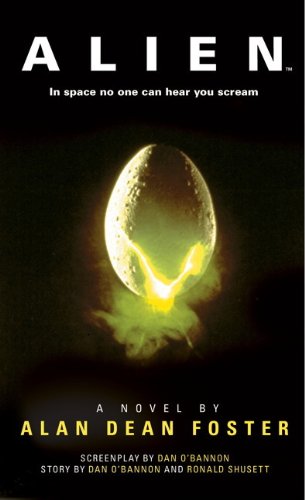
The crew of a mining vessel is awakened to a silent alarm that prickles the senses—an intrusion from beyond the ordinary margins of space. Every corridor becomes a taut thread of tension as equipment fails, oxygen runs low, and the inhuman quiet of a ship becomes a listening, watching presence. Ellen Ripley keeps the ship’s heartbeat steady while the alien threat, patient as a shadow, learns the rhythm of human habit: the way we move, the way we argue, the way we survive. In the claustrophobic dim of bulkheads and the sterile glare of the lab, the danger is not only the thing that hunts them, but the choice to trust or betray the line between duty and fear.
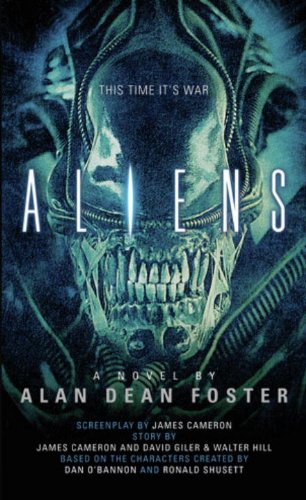
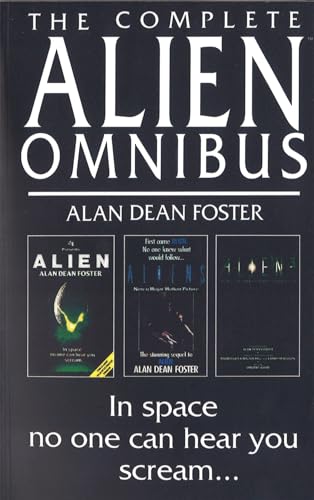
The Alien series in Foster’s hands sits at a crossroads of pulp bravado and hard-edged science, translating cinematic terror into prose without losing the raw friction of ship corridors and sterile null gravity. It sits alongside Foster’s other collaborations and tie-ins as a bridge between popular space adventure and the more precise, technical storytelling he’s known for. Readers who appreciate tight pacing, practical engineering detail, and human reactions under extraordinary threat will find the series’ heartbeat intact, even as it widens the creature’s legend beyond the film. Critics have noted its efficiency and fidelity to the source while highlighting Foster’s knack for isolating survivable humanity in the vacuum of space.—in a body of work that ranges from militaristic us-vs-alien tales to expansive, character-driven futures, Alien remains one of his most enduring, accessible anchors.