The Sarantine Mosaic

Fantasy
Cover image for The Sarantine Mosaic series
Fantasy
Loading lists...

Summary

Within the richly textured streets of a city reminiscent of Byzantium, a young artist finds himself caught between the grandeur of imperial tradition and the turbulent whispers of rebellion. Guido Cavalcante’s life intertwines with courtiers, spies, and exiled scholars, each adding layers to a tapestry of intrigue and cultural clash. As political machinations threaten to ignite chaos, Guido’s pursuit of truth leads him through opulent palaces and shadowed alleyways, revealing the complex tapestry of loyalty, betrayal, and personal sacrifice that defines his world.

'The Sarantine Mosaic' is a notable work within Guy Gavriel Kay's oeuvre, often praised for its lyrical prose and intricate portrayal of a fictional empire inspired by Byzantine history. It has garnered acclaim for its nuanced characters and vivid worldbuilding, earning it a dedicated following among fans of literary fantasy. Critics have highlighted its sophisticated exploration of political intrigue and cultural complexity, although some find its pace slow compared to more action-oriented fantasy. The series stands as a significant achievement in Kay's career, cementing his reputation for blending historical sensibilities with poetic storytelling.

Main Titles
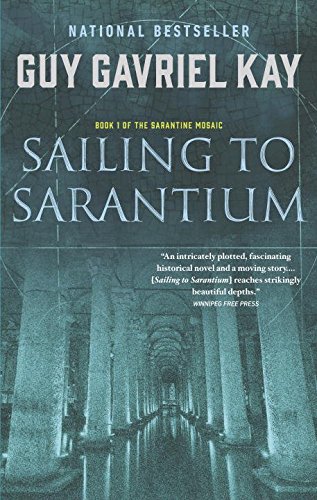
Crispin, a gifted mosaic artist whose hands have shaped wonders in provincial workshops, is summoned to the glittering imperial city of Sarantium to create a masterpiece for the court. He leaves...
Crispin, a gifted mosaic artist whose hands have shaped wonders in provincial workshops, is summoned to the glittering imperial city of Sarantium to create a masterpiece for the court. He leaves the familiar rhythms of his life and a fragile love behind, carried aboard a ship toward a civilization of marble, intrigue, and ancient liturgies. The journey itself becomes a crucible: storms, strangers, and whispered histories press on him, and the craft he knows must stretch to answer demands far beyond mere technique. In Sarantium, the city’s splendor hides sharp politics and religious currents that test Crispin’s resolve. He must negotiate patrons whose expectations are bound to power, faith, and memory, shaping tesserae to hold not only image but the city’s fragile soul. As he works, legacies collide — art and devotion, ambition and mercy — and Crispin finds himself caught between creating beauty for a world of emperors and sustaining what matters to him personally.
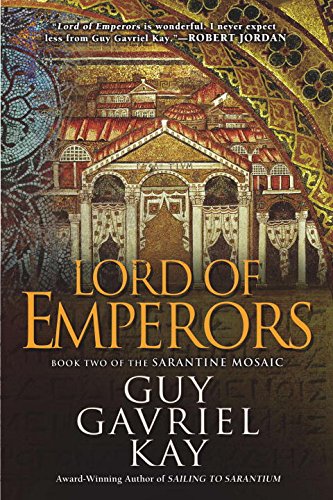
The work begun in Sarantium ripples outward as Crispin returns to his bench amid a court unsettled by succession, rumor, and the weight of imperial expectation. His mosaics, once private acts of...
The work begun in Sarantium ripples outward as Crispin returns to his bench amid a court unsettled by succession, rumor, and the weight of imperial expectation. His mosaics, once private acts of devotion, now stand at the center of rival ambitions. New hands at the throne bring shifting decrees, and those who move beneath the palace vaults learn that art can consecrate power as surely as armies can seize it. Crispin faces choices that will define what his art will bless or betray. On a more intimate level, relationships forged in the city strain under the pressures of influence and loss. Friends and lovers discover that staying true to inner craft can demand sacrifice; alliances must be reexamined when secrets come to light. Against a backdrop of sieges to reputation, ritual, and rule, Crispin’s journey toward understanding the cost and consequence of creation reaches a sobering, poignant pitch.

Additional Titles

All-In-One