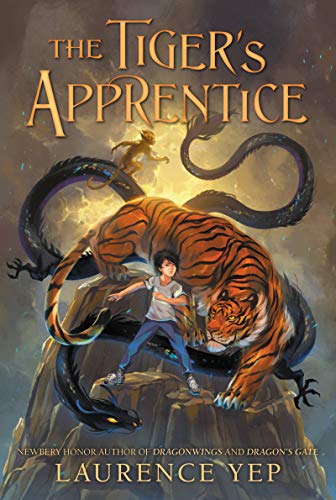
The Tiger's Apprentice

Loading lists...
Summary
Li-yan lads the edge of dusk as if he can outrun a rumor that will not be silenced. A tiger, not merely a creature but a patient, shadowed mentor, pads beside the riverbank where his sister’s laughter used to echo. The air tastes of rain and the iron ring of ceremony, and Li-yan feels the weight of a future that was supposed to be simple—school, chores, a safe harbor from the things that prowl in the night. A decision is already carved into the night: to accept a pupil’s duty from a spirit older than the village, or shrink from the flame of apprenticeship that could kindle him into something braver than he believes possible. The tiger’s eyes, amber and steady, promise more than protection—they promise a map of choices that will twist and unravel with every mistake Li-yan makes. He learns to read the city’s quiet signals, the whispers of red seals on temple walls, and the way fear can be split into a dozen different breaths. In the lantern-lit streets where stories gather like moths, Li-yan must choose whether to betray the uneasy peace between man and animal, or to bend that peace into a new kind of harmony. Each step pulls him toward a test he never asked for, where courage isn’t loud and glory isn’t bright, but a slow, stubborn insistence to keep trying when losing seems easier.
The Tiger's Apprentice sits early in Laurence Yep's broader body of work that blends traditional Chinese folklore with accessible, humane storytelling. The series stands out for its child-centered perspective and its respectful integration of mythic elements into a coming-of-age journey. Critics have noted its warm atmosphere, clear moral stakes, and ability to translate folktale rhythms into a modern voice. While not without nostalgic sentiment, it has maintained relevance through its focus on courage, responsibility, and identity, earning appreciation from librarians and educators for its cross-cultural accessibility.