New Crobuzon
Loading lists...
Summary
A clang of iron and glass announces a day already unsettled. Isaac Dan der Grimnebulin, in his cluttered sanctum, is chasing a shadow through the instruments that hum in sympathy with his nervous patience. The request is simple and impossible: bend a living thing to the will of necessity, and in return, accept a change that won’t wait for a polite conversation. Outside, the city stirs: peddlers with gloved hands, streets slick with rain and oil, and the distant roar of a crowd that distrusts anything that smells like cure or cure-all. Isaac’s decision tightens teeth in his jaw as a patient thread pulls taut—one miscalculation or one unspoken agreement away from catastrophe. In the room, walls breathe, a creature’s wail threads through the ceiling, and the city’s heartbeat grows louder, as if it too wants to know who will pay the price for living in such proximity to genius and danger.
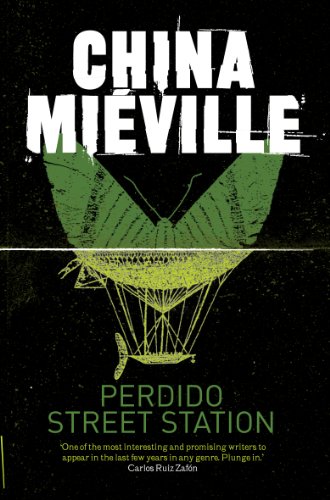
New Crobuzon sits at the crossroads of grotesque invention and creeping rot, a hallmark of Miéville’s broader body where urban malice and curious science collide. The Perdido Street Station era of the series is lauded for its world-building, dense prose, and willingness to gamble with polyglot politics and corporeal aberrations. Critics have praised its audacious blend of fantasy and urban noir, though some find the texture suffocatingly dense. The Milieu’s atmosphere—part laboratory, part marketplace of strange loyalties—remains a touchstone for writers exploring city-as-monster narratives. Overall, the work is celebrated for its daring originality and its unapologetic ambling through a city that refuses to be tamed. Within Miéville’s corpus, the New Crobuzon cycle stands as a high-water mark of his imaginative scope, influencing a generation of writers who crave densely populated cities with as much character as any cast. It is often cited for its fearless fusion of steampunk tech, weird biology, and political grit, a blend that has earned a steady place in genre conversations about speculative fiction as social critique.
Main Titles

Additional Titles
Short Fiction

2005
Year
12
Publications